


 English
 中文简体
中文简体
 عربى
عربى

Content
- 1 What Exactly Is a WPC Carved Door?
- 2 Why Homeowners Are Switching to WPC Carved Doors
- 3 How WPC Carved Doors Compare to Wood and PVC Doors
- 4 Where to Use a WPC Carved Door in Your Home
- 5 How to Choose the Right WPC Carved Door
- 6 Installation and Maintenance Tips
- 7 Common Questions About WPC Carved Doors
What Exactly Is a WPC Carved Door?
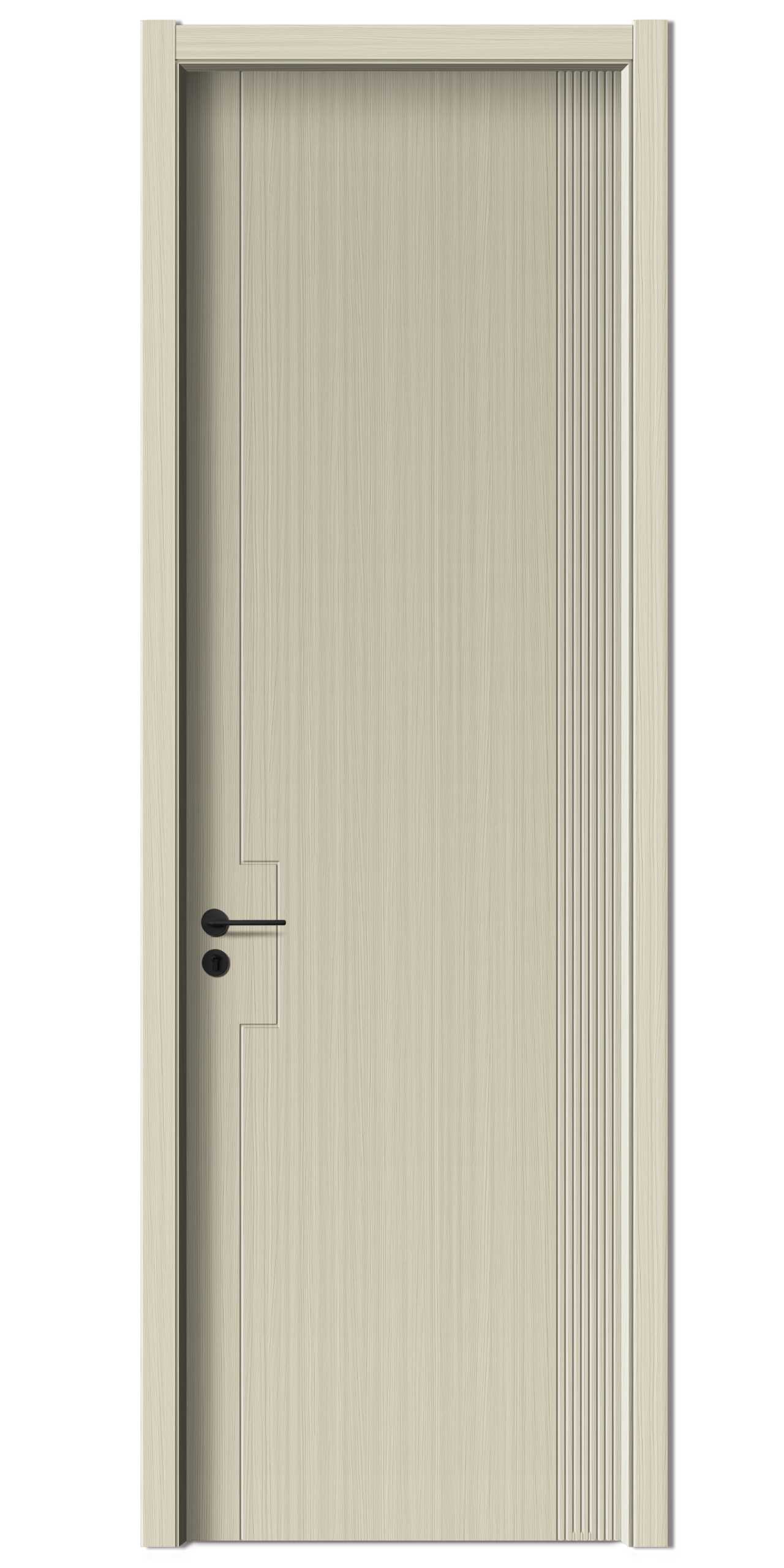
A WPC carved door is a door made from Wood Plastic Composite material that has been machine-carved or molded into decorative panel designs. WPC combines wood fibers with plastic polymers and bonding agents, creating a material that looks like solid wood but behaves more like engineered plastic. When manufacturers press this material into carved molds, the result is a door with raised panel patterns, floral motifs, geometric grooves, or classic paneling — all without a single piece of natural timber being cut or chiseled. This makes the WPC carved door a popular choice for people who want the visual richness of a traditional carved wooden door without the price tag or maintenance headaches that come with real wood.
Why Homeowners Are Switching to WPC Carved Doors
The shift away from solid wood doors isn't just about cost. Climate, humidity, and daily wear all play a role in how long a door lasts and how good it looks over time. A WPC carved door addresses several pain points that traditional wooden doors struggle with, which is why contractors and homeowners alike are picking it for both interior and exterior applications.
- Resists swelling, warping, and cracking even in humid or rainy climates
- Naturally repels termites and wood-boring insects since there's no raw timber to feed on
- Holds carved detail crisply because the molding process is far more precise than hand-carving
- Costs noticeably less than a hand-carved solid wood door with similar detailing
- Requires little more than an occasional wipe-down instead of sanding, sealing, or repainting
How WPC Carved Doors Compare to Wood and PVC Doors
Choosing a door material often comes down to weighing durability against appearance and budget. The table below breaks down how WPC carved doors stack up against the two materials people compare them to most often.
| Feature | WPC Carved Door | Solid Wood Door | PVC Door |
| Water Resistance | Excellent | Poor to Fair | Excellent |
| Carving Detail | High, consistent | High, but varies by craftsman | Low to Moderate |
| Weight | Medium | Heavy | Light |
| Termite Resistance | Yes | No | Yes |
| Typical Lifespan | 15–25 years | 10–30 years (with upkeep) | 10–20 years |
| Relative Cost | Medium | High | Low |
Where to Use a WPC Carved Door in Your Home
Not every room needs the same style of door, and the carving pattern you choose should match the function of the space. Bold, deep carvings tend to suit entryways where the door is a design statement, while lighter, subtler patterns work better for interior rooms where you want the door to blend in rather than dominate.
Main Entrance Doors
Front doors take the most abuse from sun, rain, and temperature swings, which is exactly where a WPC carved door earns its keep. The material won't fade, crack, or peel the way painted wood can after a few seasons outdoors, and the carved panels still give visitors that grand, welcoming first impression.
Bathroom and Kitchen Doors
High-moisture rooms are notorious for warping wooden doors over time. Because WPC is largely waterproof, it holds its shape and finish in steamy bathrooms or splash-prone kitchens far longer than a comparable wood door would.
Bedroom and Study Doors
For quieter interior spaces, a lightly carved WPC door adds a touch of elegance without feeling overdone. Many homeowners choose simpler grid or linear carving patterns here to keep the room feeling calm and uncluttered.
How to Choose the Right WPC Carved Door
With so many carving patterns, finishes, and panel thicknesses available, picking the right door can feel overwhelming. Focus on these factors to narrow down your options quickly.
- Panel thickness: thicker panels (usually above 40mm) feel sturdier and block sound better
- Core density: a high-density WPC core resists dents and holds hinges and locks more securely
- Surface finish: matte, wood-grain laminate, or lacquered finishes each affect maintenance and appearance differently
- Carving depth: deeper carvings create stronger shadows and a more dramatic look but may cost more
- Frame compatibility: measure your existing frame carefully, since WPC doors are often slightly different in standard sizing than wood
Installation and Maintenance Tips
Installing a WPC carved door isn't drastically different from installing any prehung door, but a few small details make a big difference in how long it performs well. Make sure the frame is level before mounting, since an uneven frame can cause a heavier carved door to sag on its hinges over time. Use corrosion-resistant screws and hinges, especially for exterior doors, to match the door's own weather resistance. Once installed, maintenance is refreshingly simple: wipe the surface with a damp cloth and mild detergent every few weeks, avoid abrasive cleaners that can dull the finish, and check the hinges annually to make sure they're still tightly secured. Unlike solid wood, you won't need to sand, repaint, or reseal the door every couple of years.
Common Questions About WPC Carved Doors
Is a WPC carved door good for outdoor use?
Yes. Its resistance to moisture, UV fading, and pest damage makes it one of the more reliable choices for front doors and other exterior applications compared to untreated solid wood.
Can a WPC carved door be painted a different color?
Most WPC doors can be repainted using exterior-grade paint suited for composite materials, though many buyers simply choose a factory finish since the color tends to last longer than a fresh paint job.
Does it look as good as a real hand-carved wood door?
Modern molding technology has closed the visual gap significantly. From a few feet away, most people can't tell a well-made WPC carved door apart from a genuine hand-carved wooden one.


