


 English
 中文简体
中文简体
 عربى
عربى

Content
- 1 What Is Melamine Decorative Paper and How Does It Work?
- 2 Why Choose Melamine Decorative Paper Over Other Surfacing Options?
- 3 Types of Melamine Decorative Paper and Their Best Uses
- 4
- 5 How to Install Melamine Decorative Paper for Professional Results
- 6 Common Mistakes to Avoid When Working with Melamine Decorative Paper
- 7 Maintenance Tips to Keep Melamine-Finished Surfaces Looking New
What Is Melamine Decorative Paper and How Does It Work?
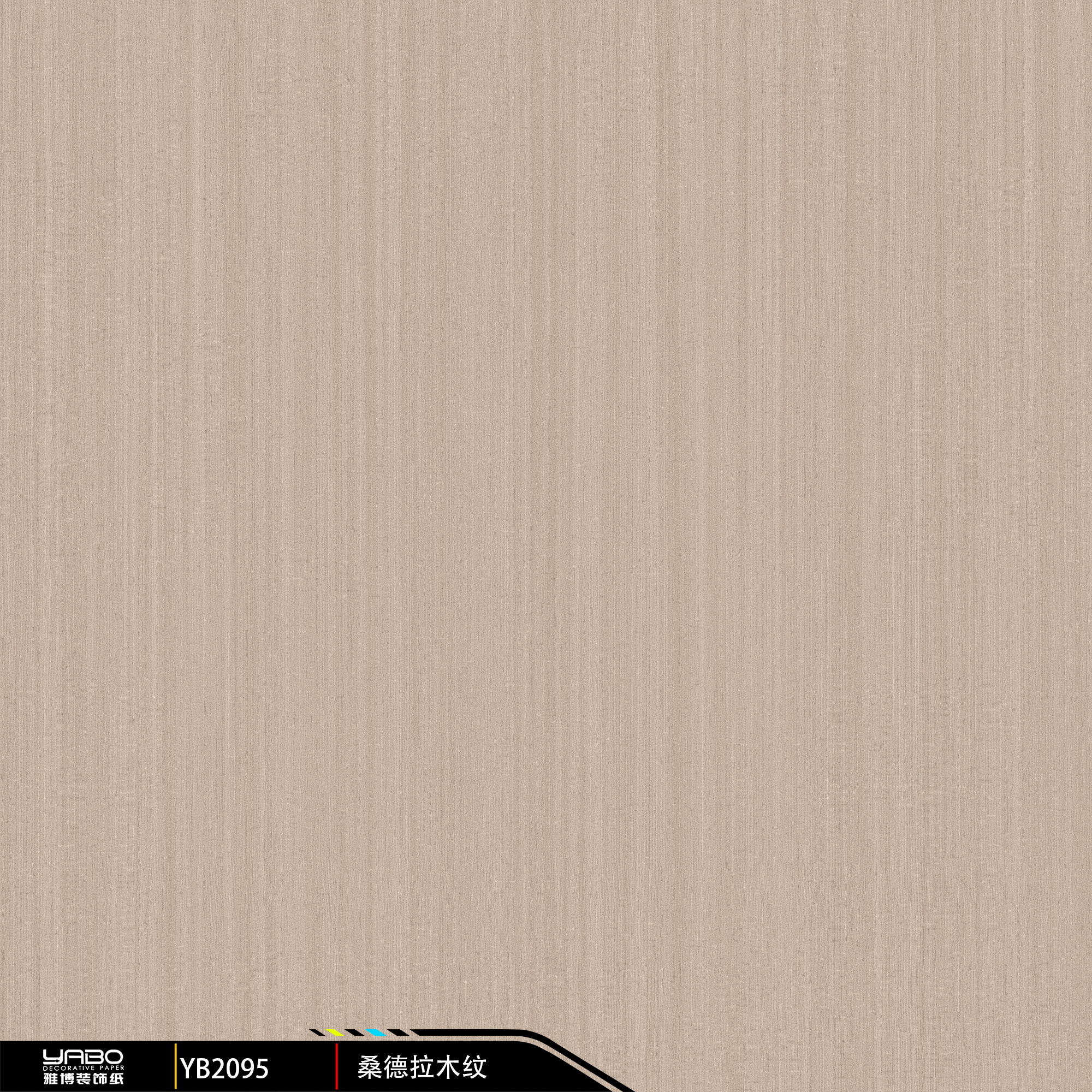
Melamine decorative paper is a specialized surfacing material made by saturating high-quality base paper with melamine resin, then curing it under heat and pressure. This process creates a hard, durable layer that bonds permanently to substrates like particleboard, MDF, or plywood. The result? A beautiful, scratch-resistant surface that mimics wood grain, stone, solid colors, or abstract patterns—without the cost or maintenance of natural materials. When people search for melamine impregnated paper, they're usually looking for a practical way to upgrade furniture, cabinets, or interior panels with a finish that lasts. Understanding how this decorative overlay paper works helps you choose the right grade for your project and avoid common installation pitfalls.
Why Choose Melamine Decorative Paper Over Other Surfacing Options?
Compared to paint, veneer, or vinyl wraps, melamine decorative paper offers a compelling mix of affordability, durability, and design flexibility. It resists scratches, stains, and mild heat—making it ideal for kitchen cabinets, office furniture, and retail fixtures. Unlike real wood veneer, it won't warp or fade with humidity changes. And because it's factory-laminated under controlled conditions, you get consistent color and texture across large production runs. For manufacturers and DIYers alike, melamine resin paper delivers professional-looking results with minimal finishing work, saving time and labor costs without sacrificing quality.
Key Benefits at a Glance
- Scratch and abrasion resistance for high-traffic areas
- Wide range of prints: wood grains, stones, solids, and custom designs
- Moisture-resistant surface easy to clean with household cleaners
- Cost-effective alternative to solid wood or high-pressure laminate
- Consistent quality and color matching for large-scale projects
Types of Melamine Decorative Paper and Their Best Uses
Not all melamine coated paper is the same—different formulations and base weights suit different applications. Standard-grade paper works well for interior furniture and shelving where moderate durability is needed. High-wear grades with added aluminum oxide offer extra scratch resistance for countertops and commercial fixtures. Textured finishes like embossed wood grain or linen add tactile realism, while low-pressure variants allow for post-forming around curved edges. Matching the right decorative laminate paper to your project ensures optimal performance and appearance.
| Type | Base Weight | Ideal Application |
| Standard Interior | 70–90 gsm | Bedroom furniture, closet interiors, shelving |
| High-Wear/Commercial | 100–120 gsm + Al₂O₃ | Kitchen cabinets, office desks, retail displays |
| Post-Forming Grade | 80–100 gsm, flexible resin | Curved edges, wrapped components, moldings |
| Textured/Embossed | 90–110 gsm with surface pattern | Premium furniture, accent walls, custom millwork |
How to Install Melamine Decorative Paper for Professional Results
Getting a flawless finish with melamine impregnated paper starts with proper substrate prep and pressing conditions. The base board must be smooth, dry, and free of dust—any imperfections will telegraph through the finished surface. Use a quality PVA or urea-formaldehyde adhesive applied evenly with a roller or spray system. During pressing, maintain consistent temperature (180–220°C / 356–428°F) and pressure (20–30 kg/cm²) for 20–40 seconds to fully cure the resin without scorching. After pressing, let panels cool under weight to prevent warping. For edge finishing, use matching PVC or melamine edge banding with hot-melt adhesive for a seamless look. These steps ensure your decorative overlay paper bonds securely and looks professional for years.
- Sand substrate to 180–220 grit for optimal adhesion and smoothness
- Control moisture content of board (8–12%) to prevent bubbling or delamination
- Use calibrated presses with even heat distribution for consistent curing
- Allow panels to cool flat under weight to minimize internal stress
- Match edge banding color and texture to the face paper for a cohesive finish
Common Mistakes to Avoid When Working with Melamine Decorative Paper
Even experienced fabricators can run into issues with melamine resin paper if key details are overlooked. One frequent error: pressing at too low a temperature, which leaves the resin under-cured and prone to scratching or chemical attack. Another mistake: using substrate with high moisture content, which causes steam bubbles during pressing. Some also skip edge sealing, allowing humidity to penetrate and swell the core board over time. And don't assume all "wood grain" papers are equal—low-resolution prints can look fake up close. Avoiding these pitfalls ensures your furniture surface paper delivers the durability and aesthetics you expect.
Maintenance Tips to Keep Melamine-Finished Surfaces Looking New
One of the biggest advantages of melamine decorative paper is its low-maintenance nature. Clean surfaces regularly with a soft cloth and mild soap solution—avoid abrasive scrubbers or harsh solvents that can dull the finish. For stubborn stains like ink or grease, use isopropyl alcohol on a cloth, not directly on the surface. Protect edges from impacts, as chips can expose the substrate to moisture. In high-humidity environments like bathrooms, ensure proper ventilation to prevent long-term swelling. With simple care, your melamine coated paper surfaces can retain their color, texture, and scratch resistance for a decade or more, making them a smart investment for both residential and commercial interiors.
- Wipe spills promptly to prevent staining or edge swelling
- Use only non-abrasive cleaners; avoid ammonia or bleach-based products
- Protect surfaces from prolonged direct sunlight to minimize color fading
- Inspect edge banding annually and re-seal if gaps appear
- For commercial settings, establish a regular cleaning schedule to maintain appearance


