


 English
 中文简体
中文简体
 عربى
عربى

Content
What Is a Door Seal Strip?
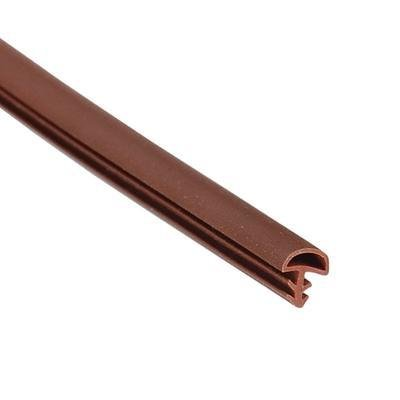
A Door Seal Strip is a flexible material installed along the edges of a door to block air, dust, noise, and moisture from entering or escaping. It creates a tight seal between the door and frame, improving insulation and comfort in both residential and industrial environments.
Door sealing strips are commonly made from rubber, silicone, foam, or PVC, and can be adhesive-backed or mechanically fixed. They are widely used on entry doors, windows, garage doors, and even automotive doors.
Main Functions of a Door Seal Strip
Installing a door weather strip provides multiple practical benefits beyond simple sealing.
- Blocks drafts and improves energy efficiency
- Reduces outside noise for a quieter indoor environment
- Prevents dust, insects, and moisture from entering
- Enhances door closing stability and cushioning
- Helps maintain indoor temperature in all seasons
These functions make Door Seal Strips essential for improving comfort and reducing energy costs.
Common Types of Door Seal Strips
Different types of Door Seal Strip are designed for specific gaps, door styles, and installation methods.
Adhesive Door Seal Strip
This type features a self-adhesive backing for easy installation. It is ideal for DIY use and works well for small to medium gaps.
Brush Door Seal
Brush seals are typically installed at the bottom of doors. They are effective at blocking dust and insects while allowing smooth door movement.
Rubber or Silicone Seal Strip
These provide excellent flexibility and durability. Rubber door seal strips are commonly used for weatherproofing and sound insulation.
Magnetic Door Seal Strip
Magnetic seals are often used in refrigerators or specialized doors where an airtight seal is required.
Material Comparison for Door Seal Strips
Choosing the right material is key to achieving the desired sealing performance and durability.
| Material | Features | Best Use |
| Rubber | Flexible, durable, weather-resistant | Exterior doors |
| Silicone | Soft, long-lasting, temperature-resistant | High-end sealing |
| Foam | Lightweight, low cost | Temporary sealing |
| PVC | Water-resistant, affordable | General applications |
Selecting the appropriate material ensures long-term performance and reduces the need for frequent replacement.
How to Choose the Right Door Seal Strip
When selecting a Door Seal Strip, consider the following practical factors to ensure the best fit and performance.
- Measure the gap size to select the correct thickness
- Choose materials based on indoor or outdoor use
- Consider adhesive strength for easy installation
- Look for UV and weather resistance for long-term use
- Ensure compatibility with your door type and frame
Proper selection helps avoid issues like poor sealing, early wear, or installation difficulties.
Installation Tips for Better Sealing Performance
Correct installation is essential to maximize the effectiveness of your door sealing strip.
- Clean and dry the surface before applying adhesive strips
- Cut the strip to the correct length for a precise fit
- Press firmly to ensure strong adhesion
- Check door closing after installation to avoid excessive pressure
Taking time to install properly ensures better sealing performance and longer service life.
Final Thoughts on Door Seal Strip
A Door Seal Strip is a simple yet highly effective solution for improving insulation, reducing noise, and protecting indoor spaces from external elements. It is an affordable upgrade that can make a noticeable difference in comfort and energy efficiency.
By understanding different types, materials, and installation methods, you can choose the right door seal strip for your needs and achieve long-lasting performance.


