


 English
 中文简体
中文简体
 عربى
عربى

Content
Understanding the Strategic Advantages of Wide Sized Melamine Paper
Wide sized melamine paper has become a cornerstone in the high-volume furniture and flooring industries. Unlike standard widths, wide-format decorative papers—often exceeding 6 feet or 2100mm—allow manufacturers to cover larger surface areas of particleboard or MDF (Medium Density Fiberboard) in a single pressing cycle. This reduction in "seam management" and the ability to process oversized panels directly translates to significant cost savings in both labor and material waste. The impregnation process for these wider rolls requires specialized machinery to ensure that the melamine resin is distributed with absolute uniformity across the entire breadth of the paper.
Technical Specifications and Material Composition
The performance of wide sized melamine paper is dictated by its base paper weight and the quality of the resin bath. Typically, the base paper ranges from 60g to 120g per square meter, depending on the desired opacity and the complexity of the printed grain. For wider formats, the tensile strength of the paper is critical to prevent tearing during the high-speed impregnation and drying phases. The table below outlines the standard technical parameters found in premium wide-format melamine papers.
| Parameter | Standard Range | Application |
| Available Widths | 1830mm - 2500mm | Large Panel Lamination |
| Resin Content | 130% - 150% | Surface Hardness & Bonding |
| Volatile Content | 6.0% - 7.5% | Pressing Quality Control |
Optimizing the Lamination Process for Large Surfaces
Temperature and Pressure Synchronization
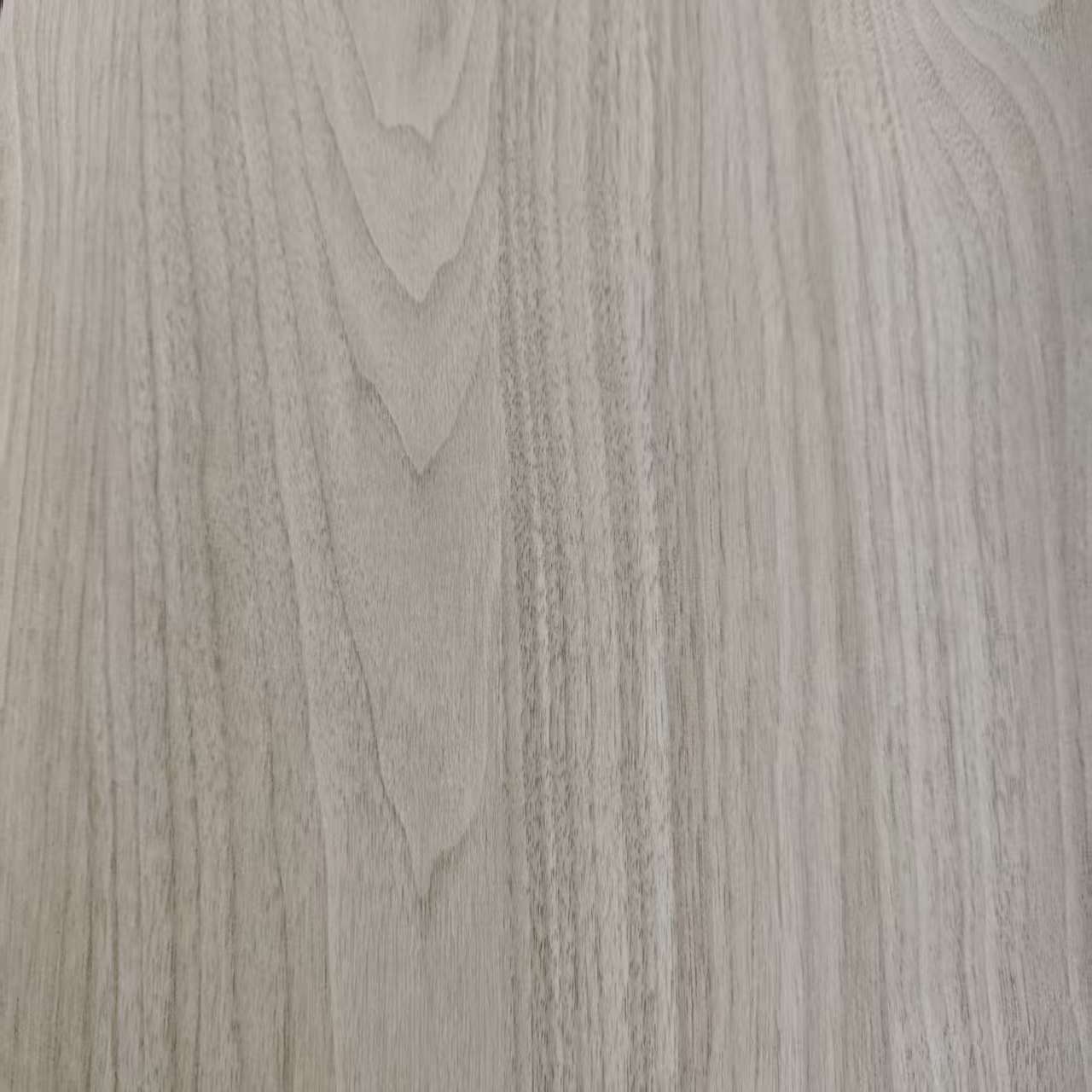
When working with wide sized melamine paper, achieving consistent thermal distribution across the short-cycle press is the primary challenge. Because the surface area is larger, any cold spots in the press plates can lead to "clouding" or incomplete resin curing. Manufacturers must ensure that the hydraulic pressure is perfectly balanced across the entire width of the board to prevent thickness variations. This is particularly vital for Synchronized Wood Grain (EIR) finishes, where the texture of the press plate must align perfectly with the printed pattern on the wide paper.
Storage and Environmental Conditioning
Due to the expansive surface area, wide melamine paper is more susceptible to environmental changes. Proper storage is essential to maintain the integrity of the resin-impregnated sheets before they reach the press. To ensure the best results, adhere to the following storage protocols:
- Maintain a constant humidity level between 45% and 55% to prevent paper brittleness or moisture absorption.
- Store rolls or sheets in a climate-controlled environment at approximately 20-25 degrees Celsius.
- Keep the original moisture-proof packaging intact until the moment of application to avoid edge curling.
- Avoid direct sunlight exposure, which can trigger premature resin polymerization.
Critical Quality Indicators for Procurement
Sourcing high-quality wide sized melamine paper requires attention to detail beyond just the aesthetic design. Buyers should evaluate the "wet strength" of the paper, which determines how well it handles the resin bath without stretching. Furthermore, the color consistency (Delta E value) across the width of the roll must be checked; in wide formats, color drifting from left to right is a common defect that can ruin a large panel. High-quality suppliers utilize automated optical inspection systems to ensure that the print quality and resin saturation are identical at the center and the edges of the wide-format sheet.


