


 English
 中文简体
中文简体
 عربى
عربى

Content
Understanding the Composition and Durability of WPC Door Panels
Wood Plastic Composite (WPC) door panels are engineered products created from a unique blend of natural wood flour and thermoplastic polymers. This fusion results in a material that possesses the aesthetic warmth of traditional wood while benefiting from the structural resilience of high-grade plastics. Unlike standard timber, WPC panels are manufactured through a high-pressure extrusion process, which ensures a dense, uniform structure free from the knots, grains, or internal voids that often lead to warping or cracking in natural wood products.
The durability of these panels is their primary selling point in both residential and commercial sectors. Because the wood fibers are encapsulated in plastic, the panel is virtually impervious to moisture, rot, and fungal decay. This makes them an ideal choice for high-humidity environments such as bathrooms, kitchens, and coastal regions where traditional doors often swell or degrade over time. Furthermore, the inclusion of UV stabilizers during the manufacturing process ensures that the panels maintain their color integrity and structural bond even when exposed to direct sunlight.
Key Performance Advantages Over Traditional Materials
Superior Moisture and Termite Resistance
One of the most significant practical advantages of WPC door panels is their 100% waterproof nature. While MDF or solid wood can absorb water and delaminate, WPC remains stable. Additionally, the polymer component makes the panels unpalatable to termites and wood-boring insects, eliminating the need for toxic chemical treatments or frequent pest control inspections. This longevity significantly reduces the total cost of ownership over the door's lifespan.
Eco-Friendly and Sustainable Profile
As the construction industry shifts toward green building practices, WPC has emerged as a sustainable alternative. These panels often utilize recycled wood waste and recycled plastics, reducing the demand for virgin timber and helping to divert plastic waste from landfills. Because they are long-lasting and 100% recyclable at the end of their life cycle, they contribute positively to LEED certifications and other environmental rating systems.
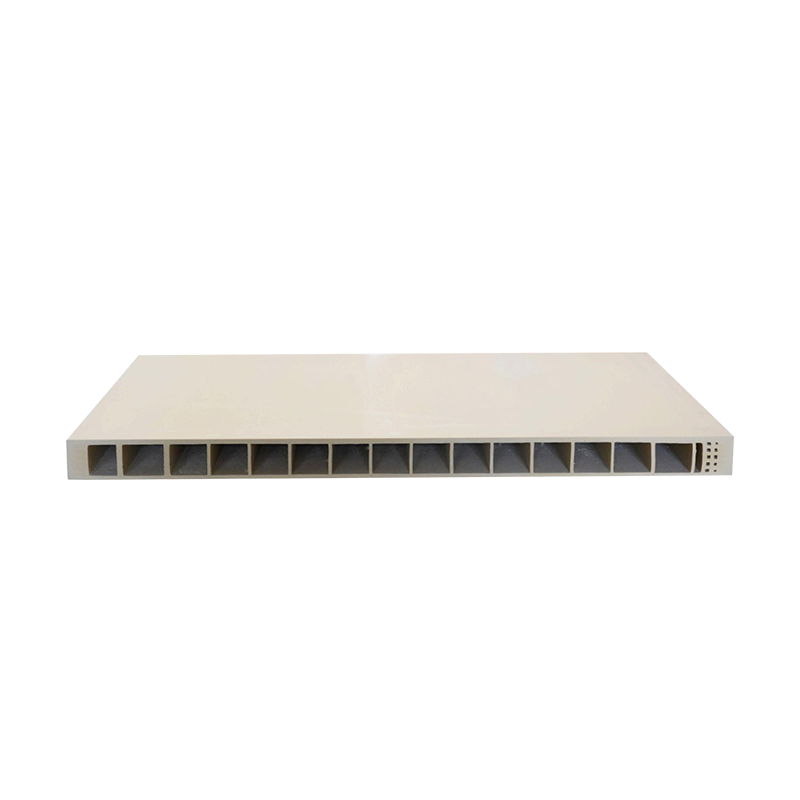
Technical Specifications and Comparison
To better understand how WPC door panels stack up against common alternatives like Plywood and PVC, refer to the following performance comparison table:
| Feature | WPC Door Panel | Plywood / Wood | Standard PVC |
| Water Resistance | Excellent (100%) | Poor to Moderate | High |
| Termite Proof | Yes | No | Yes |
| Fire Retardant | High (Self-extinguishing) | Low | Moderate |
| Maintenance | Low (No paint needed) | High (Regular Polishing) | Low |
Installation and Maintenance Best Practices
WPC door panels are favored by contractors because they can be worked using standard woodworking tools. They can be sawed, drilled, and routed just like timber, allowing for intricate designs and easy fitting of hardware. To ensure the best results during and after installation, consider the following points:
- Use high-quality stainless steel screws to prevent oxidation in moist environments.
- Ensure the door frame is also WPC or treated metal to match the longevity of the door panel.
- For cleaning, simply wipe with a damp cloth and mild detergent; avoid abrasive scrubbers that may dull the finish.
- If painting is desired for aesthetic reasons, ensure the panel surface is lightly sanded and a primer suitable for plastics is applied.
Versatility in Modern Design
The aesthetic versatility of WPC door panels allows them to fit into any architectural style, from minimalist modern to rustic traditional. They are available in a wide array of finishes, including wood-grain textures that mimic oak, teak, or walnut, as well as solid contemporary colors. Because the color is often integrated into the material, scratches are less visible than on painted wood surfaces. Architects are increasingly specifying WPC for internal doors, partitioning, and even decorative wall paneling due to its sound-insulating properties and fire-retardant capabilities, providing a safe and quiet environment for occupants.


