


 English
 中文简体
中文简体
 عربى
عربى

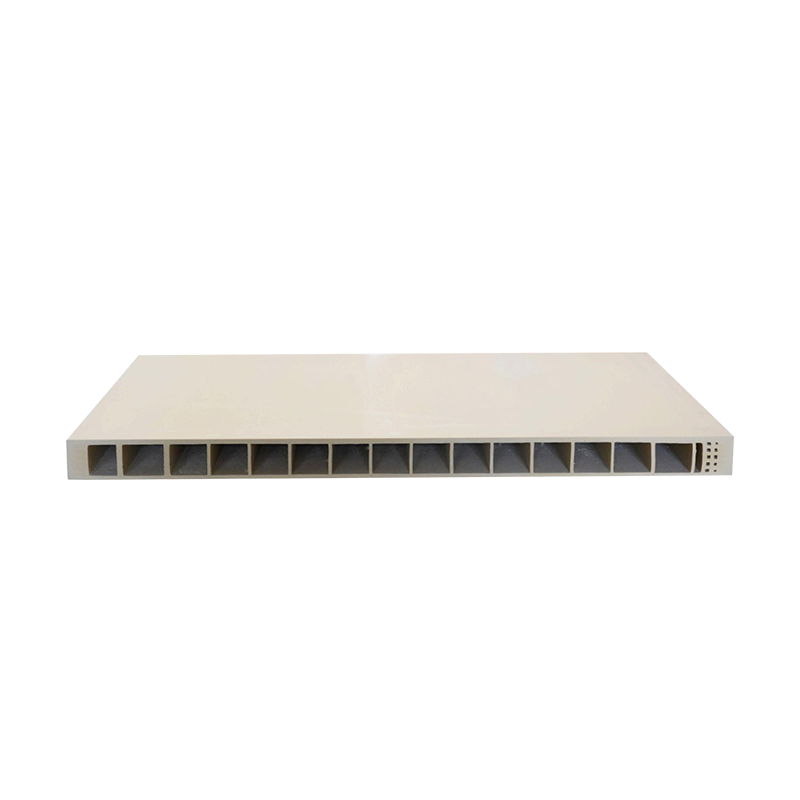
A WPC wall panel is made from a blend of wood fibers and thermoplastic materials, usually PVC or PE. This combination creates a panel that looks like wood but performs much better in real indoor environments. Unlike traditional wooden panels, WPC wall panels do not absorb moisture, warp, or crack, which makes them suitable for long-term wall decoration.
Because the material is molded under high temperature and pressure, the internal structure of a WPC wall panel is dense and stable. This structure improves impact resistance and ensures consistent performance, even in rooms with temperature or humidity changes.
Content
Where WPC Wall Panels Are Commonly Used
WPC wall panels are widely used in both residential and commercial spaces due to their versatility. They work well in areas where traditional wall materials struggle to last or require frequent maintenance.
- Living rooms and TV background walls
- Bedrooms and hallway walls
- Bathrooms and kitchens with controlled moisture exposure
- Hotels, offices, and retail interiors
Moisture Resistance and Daily Maintenance Benefits
One of the biggest reasons people choose a WPC wall panel is its excellent moisture resistance. The plastic content inside the panel blocks water penetration, so the wall surface remains intact even in humid conditions. This makes WPC panels more reliable than MDF or plywood-based wall coverings.
In daily use, WPC wall panels are easy to maintain. Dust and stains can be wiped off with a damp cloth, and there is no need for repainting, polishing, or special surface treatment over time.
Installation Methods for WPC Wall Panels
WPC wall panels are designed for fast and clean installation. Most systems use interlocking edges or clip-based fixing methods, which reduce labor time and minimize wall damage. Panels can be installed directly on battens or onto a flat wall surface, depending on the project requirements.
Common Installation Options
- Clip and rail system for quick alignment
- Direct screw fixing with hidden fasteners
- Adhesive support for lightweight panels
Design Options and Surface Finishes
Modern WPC wall panels come in a wide range of colors, textures, and surface finishes. Popular options include wood grain patterns, stone textures, and solid matte colors. These finishes allow designers to achieve different visual effects while keeping the performance advantages of WPC material.
Surface films and coatings used on WPC panels also improve scratch resistance and color stability, helping walls look clean and consistent for years.
Comparing WPC Wall Panels with Traditional Wall Materials
When compared to traditional wall materials, WPC wall panels offer a better balance of durability, appearance, and maintenance cost. They are especially useful in spaces where paint or wallpaper tends to peel or stain easily.
| Wall Material | Moisture Resistance | Maintenance Level |
| Painted Wall | Low | High |
| Wallpaper | Low | Medium |
| WPC Wall Panel | High | Low |
Why WPC Wall Panels Are a Long-Term Investment
Choosing a WPC wall panel is not just about appearance, but also about long-term value. With strong resistance to moisture, impact, and daily wear, WPC panels reduce repair and replacement costs over time. This makes them a practical solution for homeowners and commercial projects looking for durability without complicated upkeep.


