


 English
 中文简体
中文简体
 عربى
عربى

Before selecting WPC doors for bathroom use, it is important to understand how they are constructed. Most WPC bathroom doors have a solid or semi-solid core combined with a waterproof outer layer. This structure prevents moisture from entering the door while maintaining good strength and insulation.
Content
Thickness and Weight Considerations
Bathroom doors are opened and closed frequently, so thickness and weight matter. WPC doors for bathroom installation usually range from 35mm to 45mm in thickness. Thicker doors offer better sound insulation and a more solid feel, which is especially important for shared or family bathrooms.
- 35–38mm for residential bathrooms
- 40–45mm for hotels and commercial use
Surface Finish Options for Bathroom Style
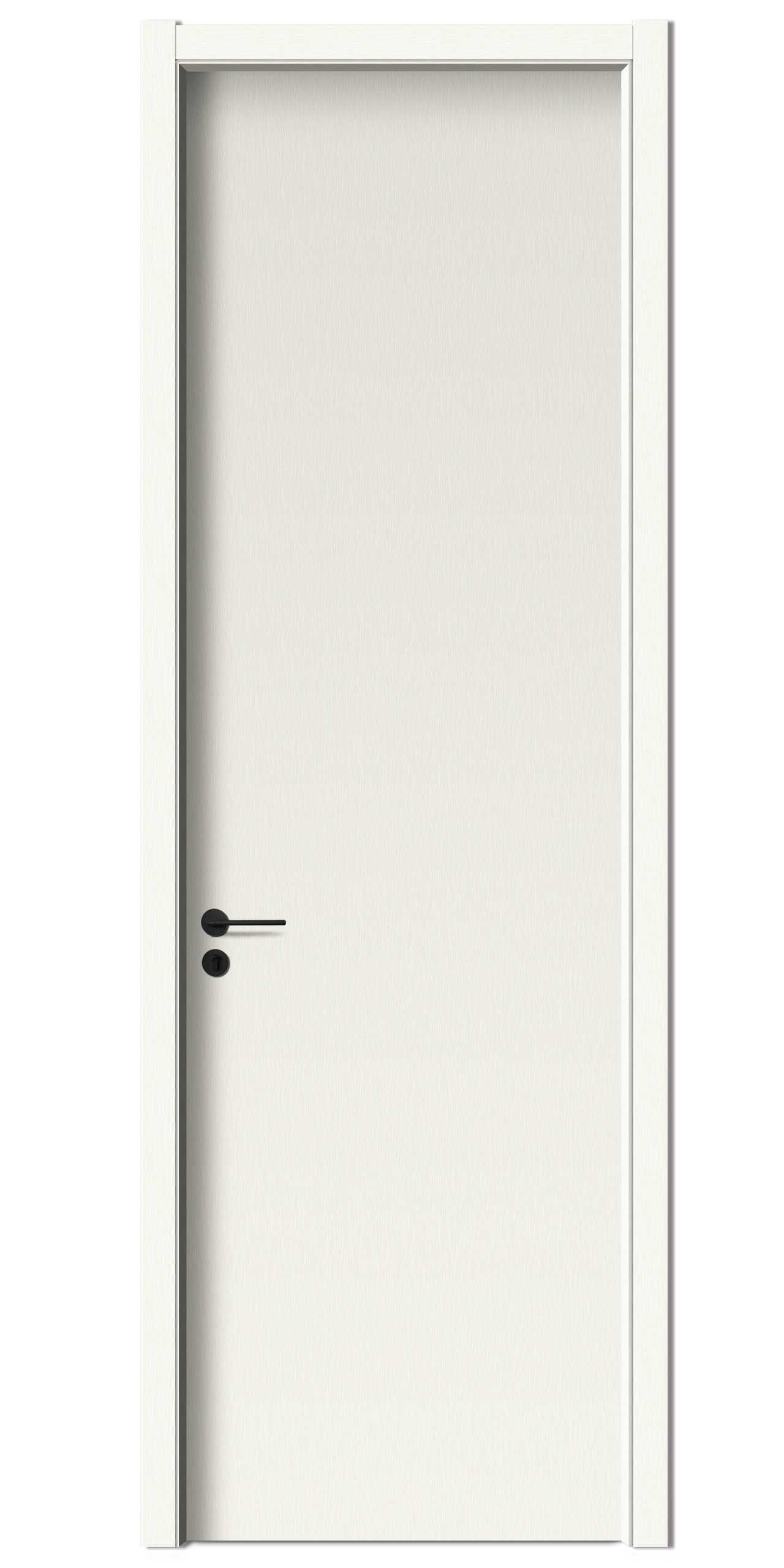
WPC bathroom doors come in various surface finishes, including wood grain, matte, glossy, and solid colors. The finish is not only about looks but also about performance. High-quality films or coatings improve scratch resistance and make daily cleaning easier in wet environments.
Popular Finishes for Bathrooms
- Light wood grain for a warm, natural look
- White or grey matte for modern bathrooms
- Glossy finishes for easy stain removal
Choosing the Right Door Frame for WPC Bathroom Doors
A WPC door performs best when paired with a matching WPC frame. Using a waterproof frame ensures the entire door system resists moisture, not just the door leaf. This is especially important in bathrooms with floor drains or frequent water exposure near the doorway.
| Frame Material | Moisture Resistance | Compatibility |
| Wood Frame | Low | Not Recommended |
| Aluminum Frame | High | Good |
| WPC Frame | Very High | Best Match |
Installation Tips for Long-Term Performance
Proper installation plays a big role in how well WPC doors for bathroom areas perform over time. Ensuring correct gaps, sealed edges, and stable hinges helps prevent future issues. Professional installation is recommended for commercial or high-traffic bathrooms.


