


 English
 中文简体
中文简体
 عربى
عربى

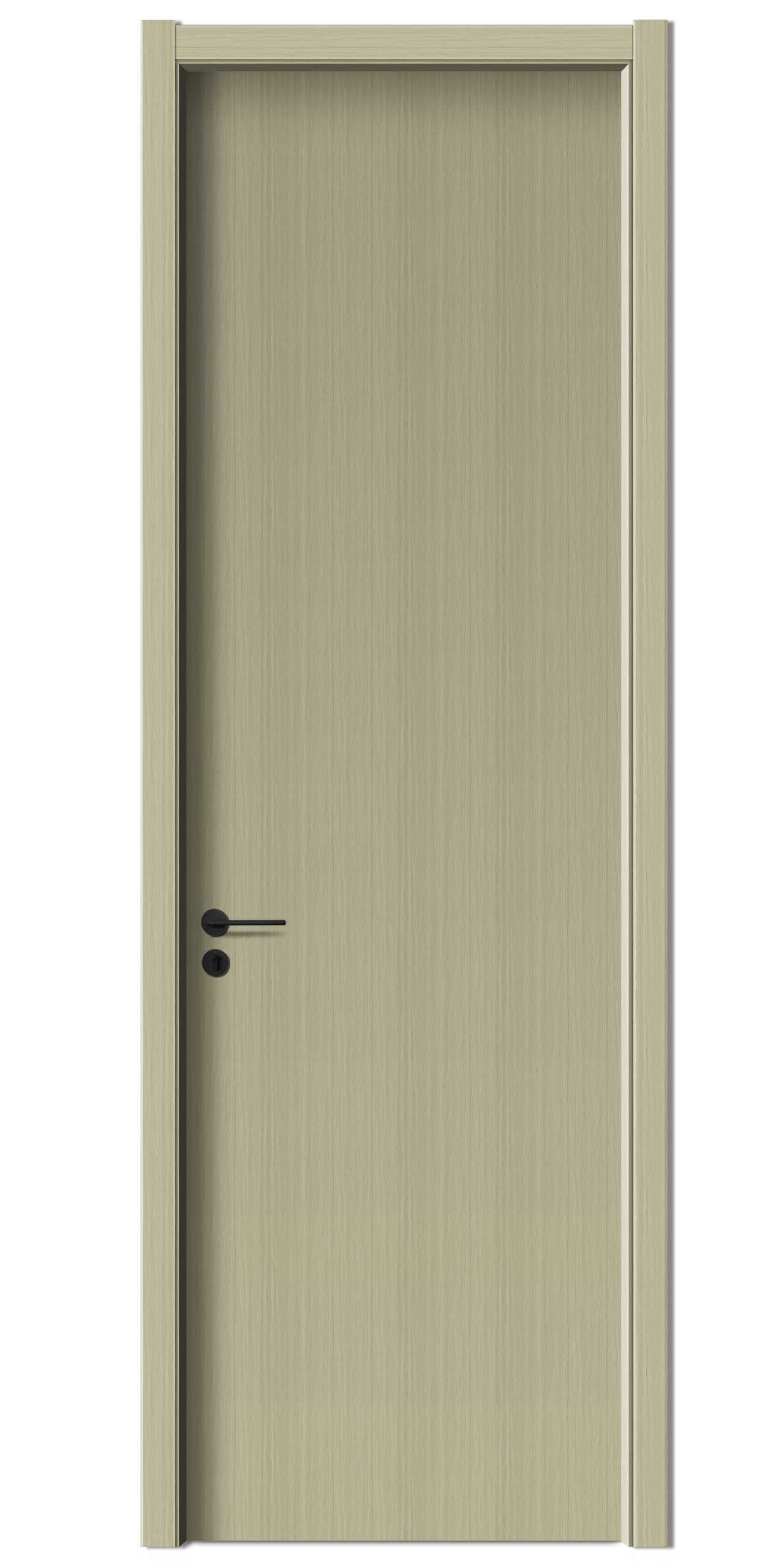
WPC doors for bathroom areas are made from a blend of wood fiber and plastic, which gives them a structure that behaves very differently from traditional wooden doors. Instead of absorbing moisture, the composite material stays stable even in constant humidity. This makes WPC bathroom doors especially suitable for spaces where steam, water splashes, and temperature changes are part of daily use.
Content
Waterproof Performance in Real Bathroom Conditions
Bathrooms are one of the harshest indoor environments for doors. WPC doors for bathroom installation are designed to be fully waterproof, not just water-resistant. They do not swell, crack, or peel when exposed to frequent moisture, making them far more reliable than MDF or solid wood doors in wet zones.
- No water absorption even with direct splashing
- Stable door shape in high humidity
- No mold or mildew growth inside the core
Durability Compared to Traditional Bathroom Doors
When comparing WPC bathroom doors with plywood or PVC options, durability is a key factor. WPC doors have a solid core that resists impact, daily opening and closing, and long-term wear. They are not prone to delamination or surface bubbling, which often happens with laminated wooden doors in bathrooms.
| Door Type | Moisture Resistance | Service Life |
| Solid Wood Door | Low | Short |
| PVC Door | Medium | Medium |
| WPC Door | High | Long |
Maintenance and Cleaning Made Easy
One practical reason homeowners choose WPC doors for bathroom spaces is easy maintenance. The surface can be cleaned with a damp cloth and mild detergent, without worrying about water damage. Unlike wooden doors, there is no need for repainting, sealing, or special care over time.
Where WPC Bathroom Doors Are Best Used
WPC doors work well in residential bathrooms, hotel bathrooms, rental apartments, and commercial washrooms. Their moisture-proof structure and clean appearance make them suitable for both modern and functional interior designs.


