


 English
 中文简体
中文简体
 عربى
عربى

Content
- 1 What Is a Zinc Alloy Door Handle Made Of
- 2 Key Advantages of Choosing Zinc Alloy Hardware for Doors
- 3 Zinc Alloy Door Handle vs Other Common Hardware Materials
- 4 Best Applications for Zinc Alloy Door Lever Sets
- 5 How to Tell if a Zinc Alloy Door Handle Is Well Made
- 6 Maintenance Tips to Extend the Life of Zinc Alloy Door Hardware
What Is a Zinc Alloy Door Handle Made Of
A zinc alloy door handle is manufactured using a die-cast metal blend primarily composed of zinc mixed with small amounts of aluminum, copper, and magnesium, often referred to in the hardware industry as Zamak. This alloy is prized for its ability to be melted at relatively low temperatures and injected into precise molds, allowing manufacturers to produce intricate handle shapes, decorative details, and consistent dimensions at a lower cost than machining solid brass or stainless steel components from raw stock.
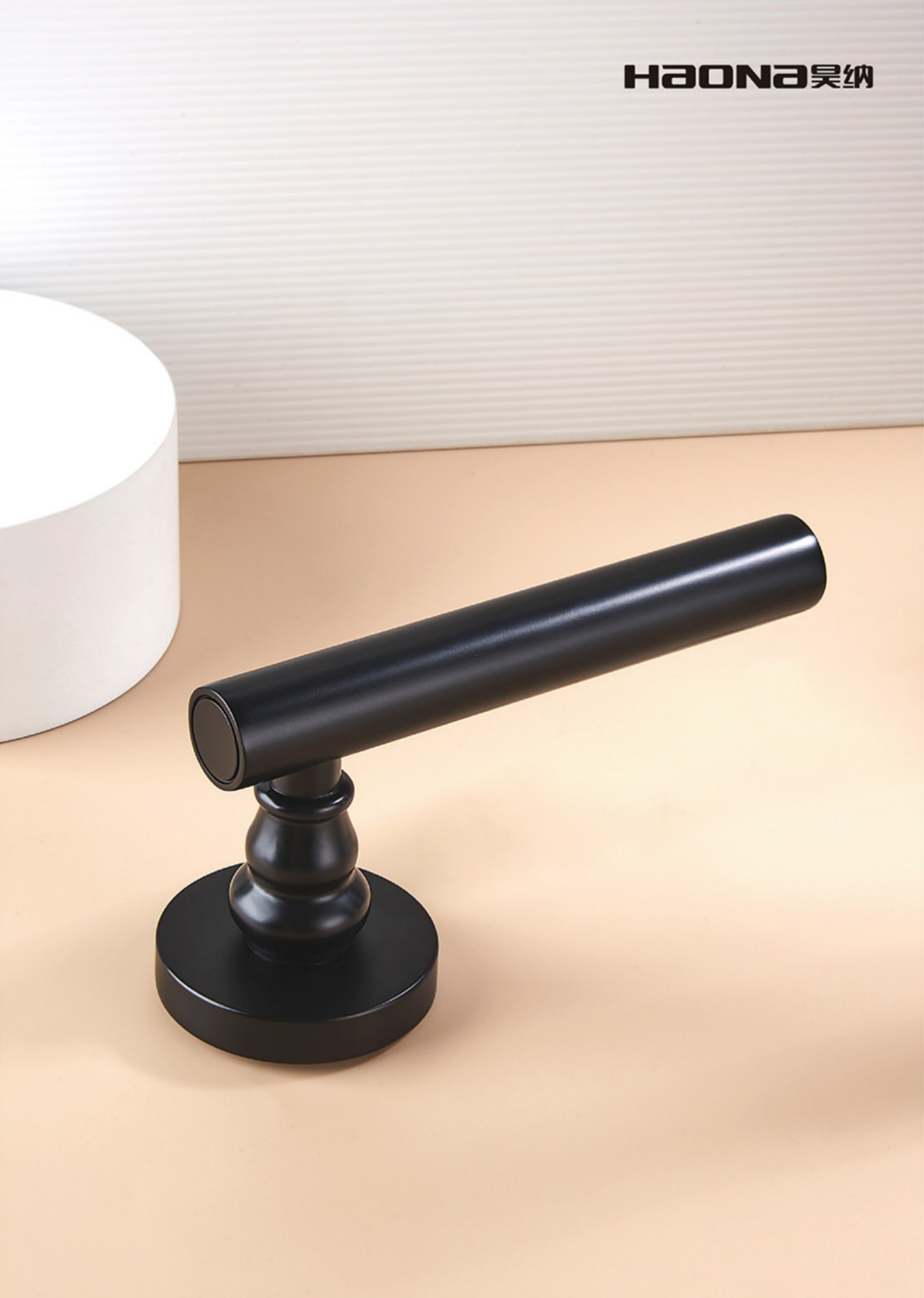
Because of this die-casting process, a zinc alloy door lever can achieve detailed ornamental designs, sharp edges, and smooth curves that would be far more expensive to replicate using other metals. Once cast, these handles are typically finished with a plating layer such as chrome, brushed nickel, satin gold, or matte black, which not only enhances appearance but also adds a protective barrier against surface corrosion and everyday wear.
Key Advantages of Choosing Zinc Alloy Hardware for Doors
Zinc alloy has become one of the most widely used materials in the door hardware industry, and this popularity comes down to several practical benefits that matter to both manufacturers and homeowners.
- Allows for detailed, decorative designs that are difficult or costly to achieve with solid metal machining
- Offers a lighter weight compared to solid brass or stainless steel, making installation easier
- Provides good resistance to corrosion when properly plated and maintained
- Costs significantly less to produce than premium solid metal alternatives, keeping retail prices accessible
- Accepts a wide range of surface finishes, giving buyers flexibility to match different interior styles
Zinc Alloy Door Handle vs Other Common Hardware Materials
Shoppers comparing door hardware options often want a clear picture of how a zinc alloy door handle stacks up against other popular materials before making a purchase decision. The table below breaks down the practical differences across the factors that matter most for everyday use.
| Material | Durability | Weight | Typical Cost |
| Zinc Alloy | Good for residential and light commercial use | Light to moderate | Low to mid |
| Solid Brass | Excellent, resists corrosion very well | Heavy | High |
| Stainless Steel | Excellent, ideal for high-traffic commercial doors | Heavy | Mid to high |
| Aluminum | Moderate, can dent under heavy impact | Very light | Low |
Best Applications for Zinc Alloy Door Lever Sets
While zinc alloy door hardware can technically be used almost anywhere, it tends to perform best and offer the most value in specific settings where its particular strengths align well with usage demands.
Residential Interior Doors
Bedroom, bathroom, and closet doors are ideal candidates for a zinc alloy door handle, since these areas experience moderate daily use without the extreme traffic volume or weather exposure that would demand a heavier-duty material.
Decorative and Design-Focused Hardware
Because zinc alloy casts so well into detailed shapes, it's frequently chosen for decorative handle sets featuring ornate patterns, vintage-style designs, or unique geometric profiles that homeowners want to use as a design statement piece.
Budget-Conscious Renovation Projects
For renovation projects covering an entire home's worth of interior doors, zinc alloy door lock sets offer an attractive balance of appearance and affordability, allowing homeowners to achieve a cohesive, upgraded look without the expense of solid brass hardware throughout.
How to Tell if a Zinc Alloy Door Handle Is Well Made
Quality varies significantly among zinc alloy hardware products, and a few practical checks can help buyers distinguish a well-manufactured handle from a poorly made one that may corrode or fail prematurely.
Examine the plating finish closely for any bubbling, uneven texture, or visible seams from the casting mold, since these signs often indicate lower manufacturing standards or insufficient polishing before plating. Check the handle's weight and feel in hand, as a well-made zinc alloy piece should feel solid and substantial rather than hollow or excessively light. It's also worth testing the mechanism by operating the latch or lever repeatedly in the store or checking product reviews for mentions of smooth, consistent operation, since a quality zinc alloy door lever should turn smoothly without grinding or excessive looseness at the spindle.
Maintenance Tips to Extend the Life of Zinc Alloy Door Hardware
With proper care, a zinc alloy door handle can maintain its appearance and function for many years, since most performance issues stem from neglecting simple maintenance rather than inherent material weakness.
- Wipe the handle regularly with a soft, dry cloth to remove fingerprints, oils, and dust buildup
- Avoid abrasive cleaners or scouring pads, which can scratch through the protective plating layer
- Keep exterior-facing zinc alloy hardware shielded from direct, prolonged rain exposure when possible
- Apply a small amount of silicone-based lubricant to the internal mechanism periodically for smooth operation
- Tighten mounting screws occasionally, since regular use can gradually loosen the handle's connection to the door


