


 English
 中文简体
中文简体
 عربى
عربى

Content
- 1 Why the Right Wooden Gate Door Hinges Matter More Than People Think
- 2 Common Types of Hinges Used on Wooden Gates
- 3 Choosing the Right Material for Long-Term Durability
- 4 Matching Hinge Size and Load Capacity to Your Gate
- 5 Installation Tips That Prevent Sagging and Misalignment
- 6 Maintenance Habits That Keep Hinges Working Smoothly
- 7 Final Thoughts on Getting Your Gate Hinges Right
Why the Right Wooden Gate Door Hinges Matter More Than People Think
Wooden gate door hinges are one of those small details that get overlooked until something goes wrong. A gate that sags, drags along the ground, or squeaks every time it opens is almost always a sign that the hinges weren't matched properly to the gate's weight and size in the first place. Since wooden gates are heavier and more prone to warping than metal ones, the hardware holding them up has to work harder and needs to be chosen with real care rather than picked off the shelf at random.
Good hinges do more than just let a gate swing. They carry the entire structural load of the gate, resist the twisting forces caused by wind and weather, and keep the gate aligned with its post over years of daily use. Getting this decision right at the start saves a lot of frustration and repair work later on.
Common Types of Hinges Used on Wooden Gates
Not all gate hinges are built the same way, and the type you choose should depend on the gate's size, weight, and how it's framed. Here are the most common styles found on wooden gates today.
- Strap hinges: long, flat arms that spread the load across a wide section of the gate, ideal for heavy or oversized gates
- T-hinges: shaped like the letter T, offering good support for mid-sized gates without needing as much surface coverage
- Butt hinges: compact and discreet, best suited for lightweight garden gates or decorative doors
- Gate hooks and bands: a rustic style often used on farm gates, consisting of a hook mounted to the post and a band wrapped around the gate frame
- Self-closing hinges: spring-loaded designs that automatically swing the gate shut, popular for pool fences and safety gates
Choosing the Right Material for Long-Term Durability
Stainless Steel and Its Advantages
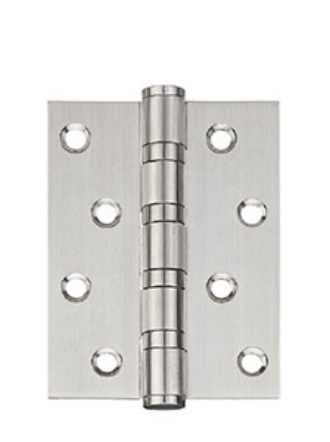
Stainless steel hinges resist rust extremely well, which makes them a strong choice for gates exposed to rain, humidity, or coastal air. They tend to cost more upfront, but the reduced risk of corrosion often makes them the more economical choice over the life of the gate.
Galvanized Steel for Budget-Friendly Strength
Galvanized coatings provide a solid layer of rust protection at a lower price point than stainless steel. This makes galvanized hinges a popular middle-ground option for homeowners who want durability without paying premium prices.
Wrought Iron for a Traditional Look
Wrought iron hinges add a classic, decorative touch that pairs well with rustic or farmhouse-style wooden gates. They do require more upkeep to prevent rust, so regular coating with a rust-inhibiting paint or oil is recommended.
Matching Hinge Size and Load Capacity to Your Gate
One of the most common mistakes people make is underestimating how much weight their gate actually puts on its hinges. A solid wood gate can weigh far more than expected once boards, framing, and hardware are all added together, and undersized hinges will bend or pull loose from the post over time.
| Gate Width | Approximate Weight Range | Recommended Hinge Type |
| Up to 3 feet | Under 50 lbs | Butt hinges or small T-hinges |
| 3 to 5 feet | 50 to 100 lbs | Medium T-hinges or strap hinges |
| 5 to 8 feet | 100 to 200 lbs | Heavy-duty strap hinges |
| Over 8 feet | 200 lbs and up | Gate hook and band sets or industrial strap hinges |
As a general rule, it's better to size up rather than down when in doubt. A slightly oversized hinge rarely causes problems, but an undersized one almost always leads to sagging within the first year or two.
Installation Tips That Prevent Sagging and Misalignment
Use Through-Bolts Instead of Screws Alone
Screws can work loose over time, especially in softer woods that expand and contract with humidity. Using carriage bolts that pass all the way through the gate frame and post, secured with washers and nuts, provides a much stronger and longer-lasting connection.
Reinforce the Post Before Mounting
A hinge is only as strong as the post it's attached to. If the gate post is undersized or already showing signs of rot, reinforcing or replacing it before installation prevents the entire structure from failing regardless of how good the hinges are.
Check Alignment Before Final Tightening
Before fully tightening any bolts, it helps to prop the gate at the correct height and check that it swings freely without rubbing the ground or the post. Small adjustments are much easier to make before everything is locked into place.
- Position the top hinge as high as possible on the gate frame for better leverage
- Space the two main hinges as far apart vertically as the gate frame allows
- Use a level to confirm the gate hangs straight before drilling final holes
- Add a diagonal support brace on wide gates to reduce stress on the hinges
Maintenance Habits That Keep Hinges Working Smoothly
Even well-chosen hinges need occasional attention to keep performing properly. Applying a small amount of lubricant to the hinge pins every few months prevents squeaking and reduces friction-related wear. A silicone-based spray works well because it doesn't attract as much dust and debris as oil-based lubricants.
It's also worth inspecting the mounting hardware at least once or twice a year, checking for rust, loose bolts, or any early signs of wood splitting around the screw holes. Catching these issues early usually means a quick tightening job rather than a full hinge replacement. For gates in particularly harsh climates, applying a rust-inhibiting coating to metal hinges on an annual basis extends their lifespan considerably.
Finally, keep an eye on the gate itself, not just the hardware. Wooden gates can warp or shift slightly with seasonal humidity changes, and a gate that no longer sits flush against its frame puts uneven strain on the hinges. Trimming or adjusting the gate as needed helps the hinges last as long as possible.
Final Thoughts on Getting Your Gate Hinges Right
Choosing the right wooden gate door hinges comes down to matching the hardware to the gate's actual weight, picking a material suited to your climate, and installing everything with proper reinforcement and alignment. Skipping any of these steps tends to show up sooner or later as sagging, squeaking, or a gate that just won't close right anymore. A little extra care during selection and installation goes a long way toward a gate that swings smoothly for many years without constant repairs.


