


 English
 中文简体
中文简体
 عربى
عربى

Content
Understanding the Composition and Benefits of WPC Carved Doors
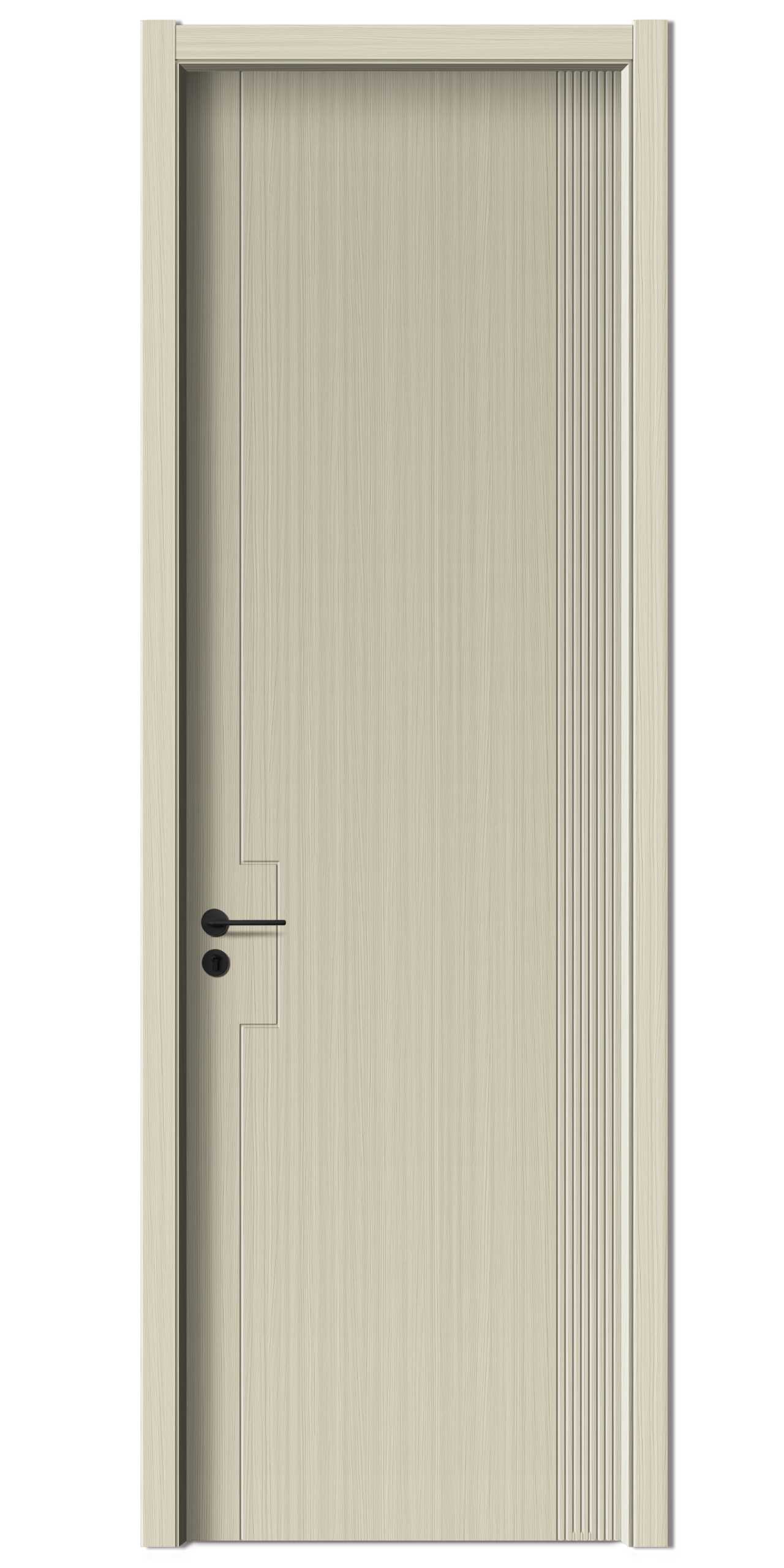
Wood Plastic Composite (WPC) is a revolutionary material that combines the natural appearance of wood with the resilience of high-grade polymers. WPC carved doors are manufactured by blending wood flour, thermoplastic resins, and specific additives to create a dense, moisture-resistant core. Unlike traditional solid wood, these doors do not warp, crack, or rot when exposed to humidity, making them an ideal solution for bathrooms, kitchens, and coastal regions. The "carved" aspect refers to the CNC routing process, where intricate patterns are etched into the surface with mathematical precision, providing a high-end aesthetic without the structural vulnerabilities of hand-carved timber.
Key Technical Specifications of WPC Carved Doors
When selecting a WPC door, it is essential to understand the technical parameters that contribute to its longevity and performance. High-quality WPC doors typically feature a density ranging from 0.7 to 0.9 g/cm³, ensuring they feel substantial and provide excellent sound insulation. Below is a breakdown of the standard specifications you should look for:
| Feature | Specification Detail |
| Water Absorption Rate | Less than 1% (Highly Waterproof) |
| Fire Rating | B1 Class (Flame Retardant) |
| Formaldehyde Emission | E0 Grade (Eco-friendly) |
| Standard Thickness | 35mm to 45mm |
Advanced Design and Aesthetic Customization
CNC Carving Precision
The primary appeal of WPC carved doors lies in their design flexibility. Computer Numerical Control (CNC) technology allows for incredibly detailed patterns—from minimalist geometric lines to ornate, traditional floral motifs. Because the material is isotropic (uniform in all directions), the carving tools create clean, smooth edges that do not splinter or fray, which is a common issue with carved plywood or low-quality MDF.
Surface Finishing Options
Once the carving is complete, the doors can be finished in several ways to match interior decor. The most popular methods include:
- PVC Film Vacuum Pressing: Wraps the door in a textured wood-grain or solid color film.
- PU Painting: Provides a high-gloss or matte lacquered finish for a premium look.
- Heat Transfer Printing: Transfers intricate patterns directly onto the WPC surface.
Practical Installation and Maintenance Advantages
WPC carved doors are designed for ease of use and long-term reliability. Unlike wood, they do not require periodic polishing or chemical treatments to ward off termites, as the polymer content makes them completely termite-proof. Their installation is also streamlined due to the stability of the material; WPC door frames can be adjusted to various wall thicknesses, ensuring a perfect fit every time.
- Termite and Pest Resistance: The inorganic components ensure that wood-boring insects cannot inhabit the door.
- Low Maintenance: Cleaning involves simply wiping the surface with a damp cloth and mild detergent.
- Anti-Aging Properties: The UV-stabilized resins prevent the door from becoming brittle or fading over years of use.
- Structural Stability: They exhibit high screw-holding capacity, ensuring hinges and handles remain secure.
Environmental Impact and Sustainability
Choosing WPC carved doors is a step toward sustainable construction. These doors utilize recycled wood fibers and agricultural waste, reducing the demand for virgin timber and helping to preserve forests. Furthermore, the manufacturing process is designed to be "closed-loop," where scrap material from the carving and trimming phases can be reground and fed back into the extrusion line. Because they are free from lead and harmful volatile organic compounds (VOCs), they contribute to healthier indoor air quality for residential and commercial spaces alike.


