


 English
 中文简体
中文简体
 عربى
عربى

The subtle details often make the biggest impact in interior design. Among these crucial elements is the door architrave, the molding that frames a doorway. Traditionally made from timber, a modern, highly functional, and aesthetically pleasing alternative has emerged: the WPC Door Architrave. Composed of Wood-Plastic Composite (WPC), this material blends the look and feel of wood with the superior durability and maintenance benefits of plastic, offering a compelling solution for contemporary building and renovation projects.
Content
What is a WPC Door Architrave?
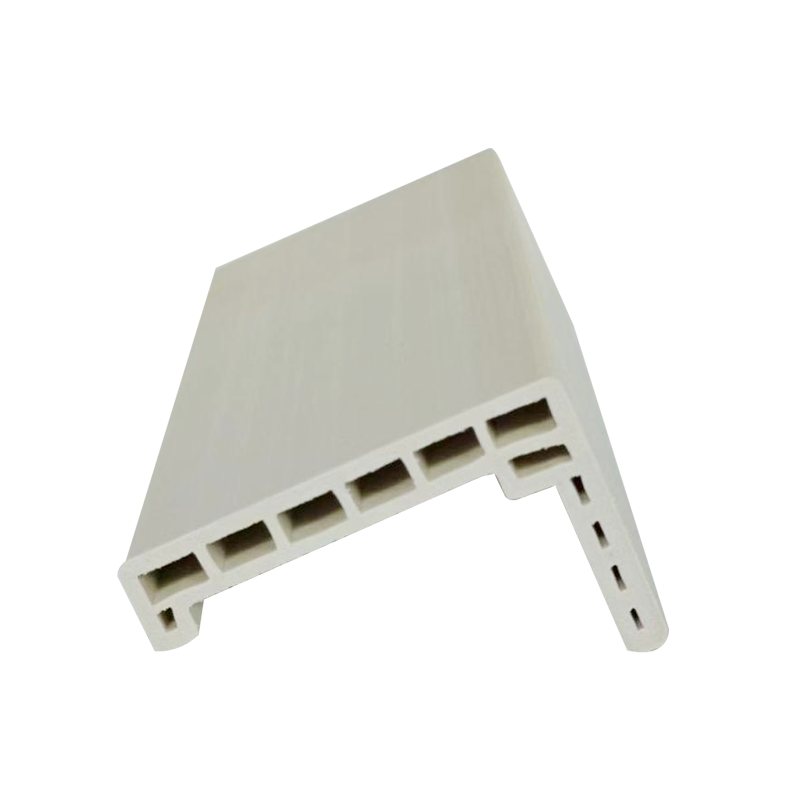
A WPC Door Architrave is a decorative molding fitted around the door frame, effectively covering the joint between the frame and the wall. The material itself, WPC, is an innovative hybrid. It combines wood fiber/flour (typically 50-70%) with thermoplastics (like PVC, PE, or PP), and various additives. This composition is extruded into specific profiles, resulting in a product that is denser, stronger, and more resistant to environmental stressors than solid wood.
Superior Performance: Key Advantages of WPC
Choosing a WPC Door Architrave over traditional materials offers several significant advantages that appeal to both designers and homeowners:
-
Exceptional Water and Moisture Resistance: Unlike natural wood, WPC is highly resistant to water absorption. This makes it an ideal choice for high-humidity environments like bathrooms, kitchens, or utility rooms, where timber architraves would be prone to swelling, warping, or rotting.
-
Termite and Pest Proof: The plastic component in WPC makes it impervious to insects, including termites, eliminating the need for regular chemical treatments required for wood.
-
Low Maintenance: WPC architraves require virtually no upkeep beyond routine cleaning. They don't need painting, staining, or sealing to maintain their integrity or appearance. Many are available pre-finished in various colors or wood-grain textures.
-
Durability and Longevity: The composite structure provides excellent resistance to chipping, cracking, and fading, ensuring the installation maintains its pristine look for many years.
-
Ease of Installation: WPC material can be cut, nailed, and screwed using standard woodworking tools. Furthermore, many WPC systems feature interlocking or clip-on mechanisms, simplifying the installation process for a clean finish.
Design and Application Flexibility
The versatility of the WPC Door Architrave extends beyond its practical benefits and into the realm of design. WPC can be manufactured into a vast array of profiles, from simple, contemporary designs to more intricate, traditional moldings, providing creative freedom for any interior style.
They are available in finishes that convincingly mimic different wood species, such as oak, walnut, or teak, or in solid colors that can be easily integrated into a modern, minimalist aesthetic. This flexibility ensures that the WPC Door Architrave can seamlessly match existing interior décor, offering a cohesive and polished look to any room.
A Sustainable and Cost-Effective Solution
Beyond performance, WPC offers an environmental advantage. The wood fibers used are often reclaimed or waste material, and the composite itself is recyclable, positioning the WPC Door Architrave as a more sustainable alternative to harvesting virgin timber.
From a financial perspective, while the initial cost may sometimes be slightly higher than entry-level MDF or softwoods, the long-term savings in maintenance, repairs, and replacement due to its exceptional longevity and durability make the WPC Door Architrave a highly cost-effective investment over the life cycle of a building.
The WPC Door Architrave stands out as a smart, durable, and stylish choice for modern interiors, promising a high-quality finish that withstands the tests of time and environment.


