


 English
 中文简体
中文简体
 عربى
عربى

Understanding WPC Door Architrave: Materials and Core Advantages
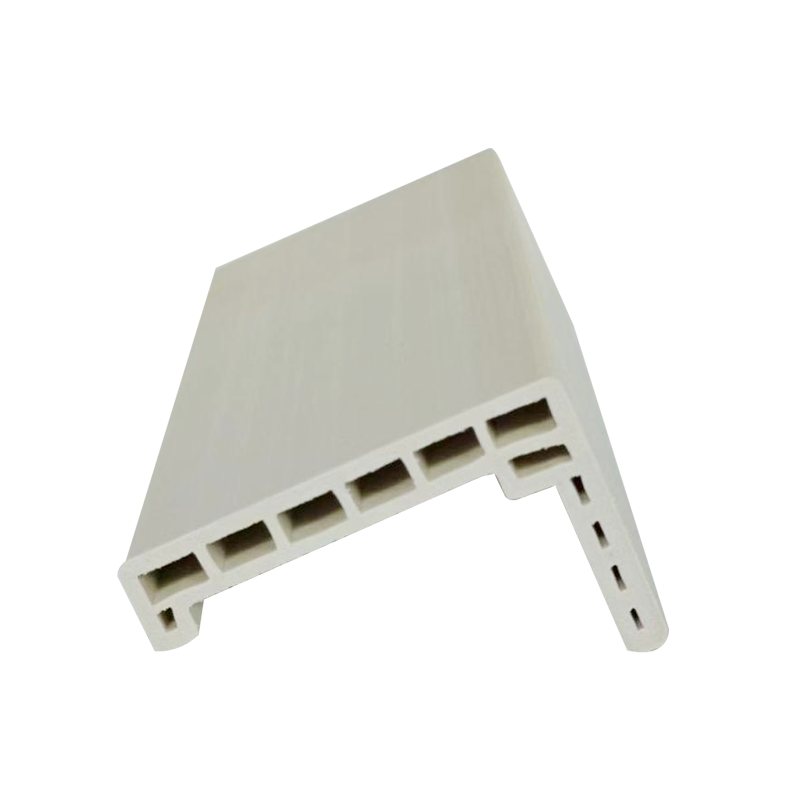
WPC, or Wood-Plastic Composite, is a material that has revolutionized the construction and interior design industries, particularly in trim applications like door architraves. Unlike traditional timber architraves, WPC profiles are engineered from a combination of wood fibers, thermoplastics (such as PVC), and a small percentage of additives. This unique blend creates a product that captures the aesthetic appeal of wood while offering superior performance characteristics. Understanding the composition is key to appreciating its benefits in residential and commercial settings.
Content
Key Benefits Over Traditional Materials
- Exceptional Water Resistance: WPC is nearly impervious to water, making it the ideal choice for areas prone to moisture, such as bathrooms, kitchens, and exterior-facing doors. This eliminates the common issues of swelling, warping, and rot associated with solid wood.
- Durability and Longevity: The composite structure provides high resistance to impact, splitting, cracking, and insect infestation (like termites). This translates to a significantly longer lifespan and reduced maintenance costs over time.
- Low Maintenance: WPC architraves do not require regular sanding, sealing, or painting to maintain their appearance. A simple wipe-down is typically all that is needed.
- Design Versatility: Available in a wide range of finishes, colors, and profiles, WPC can mimic the look of various wood species or be factory-finished with decorative laminates or paint-ready surfaces, offering flexibility for any design scheme.
Practical Installation Guide: Tips for a Seamless Finish
Installing WPC door architraves follows similar principles to timber but requires attention to the specific handling and cutting properties of the composite material. Proper technique ensures both a secure fix and a visually flawless junction around the door frame.
Essential Steps for Mitered Corners
The most professional finish for door architraves involves a 45-degree miter cut at the top corners where the vertical and horizontal pieces meet. Using a high-quality miter saw (ideally one with a fine-toothed blade designed for composite or plastic materials) is crucial to avoid chipping or rough edges on the WPC profile.
- Accurate Measurement: Measure the distance from the top corner of the jamb to the floor for the vertical piece, and the width across the top of the jamb for the headpiece. Always mark the long point of the miter cut.
- The Perfect Cut: Set your saw to exactly 45 degrees. Cut slowly to ensure a clean, precise edge. When dealing with WPC, a slower speed can help prevent melting or excessive burring of the plastic component.
- Securing the Trim: Architraves are typically secured using a combination of construction adhesive on the back and small finishing nails or brads driven through the architrave into the door frame stud. Countersink the nails slightly for filling later.
Finishing and Sealing Details
Once the architraves are securely fixed, the final steps involve concealing the fixings and sealing the perimeter. Use a flexible filler or wood putty designed for composites to fill the nail holes. The most critical step for water resistance is applying a bead of paintable acrylic or silicone caulk along the entire inner and outer edge where the architrave meets the wall and the door jamb. This creates a tight seal against moisture intrusion and dramatically improves the visual quality of the installation.
Design Considerations: Profile Selection and Aesthetics
The choice of architrave profile significantly impacts the overall architectural style of a room. WPC architraves are manufactured in designs ranging from very minimal and contemporary to ornate and traditional. Matching the architrave profile to the skirting board (baseboard) profile is a common practice to ensure visual continuity throughout the space.
Profile Styles and Their Impact
Different profiles suit different interior aesthetics. The following table details popular WPC architrave profile styles and their ideal applications:
| Profile Style | Description | Ideal Application |
| Ogee or Colonial | Features S-shaped curves and deep detailing. | Traditional, period-style, or classical homes. |
| Bullnose or Round | A simple, convex curve with no sharp edges. | Modern, minimalist, or high-traffic commercial spaces. |
| Chamfered or Bevelled | Simple angled face; less ornate than Ogee. | Contemporary and shaker-style interiors. |
Colour and Finish Coordination
WPC architraves often come pre-finished in white, which is a classic, timeless choice that makes the doorway stand out against a colored wall. However, if using wood-effect WPC, ensure the tone and grain pattern complement or exactly match the color of the door and/or flooring. For a truly unique and personalized look, paintable WPC allows homeowners to perfectly match the trim to a specific wall color, a bold contrasting color, or an existing trim scheme.


