


 English
 中文简体
中文简体
 عربى
عربى

Content
Understanding the Composition and Core Benefits of WPC Door Panels
Wood-Plastic Composite (WPC) door panels represent a significant evolution in construction and interior design materials, offering a superior alternative to traditional wood, plywood, or fiberboard products. WPC is manufactured by combining wood fiber (or wood flour) with thermoplastics (like PVC, PE, or PP) and a blend of additives. This unique blend is extruded or molded under heat and pressure to create a homogeneous, dense, and highly resilient panel. The resulting material inherits the workability of wood but gains the exceptional durability and moisture resistance characteristic of plastic polymers. This combination addresses many of the common failure points associated with conventional door materials, particularly in humid or high-moisture environments.
Key Material Advantages Over Traditional Options
- Superior Water and Moisture Resistance: Unlike wood or MDF, WPC panels are virtually non-porous and do not swell, warp, or rot when exposed to water, making them ideal for bathrooms, kitchens, and exterior applications.
- Termite and Pest Proof: The plastic component renders the material inedible and impenetrable to termites, borers, and other wood-destroying organisms, eliminating the need for chemical treatments.
- Low Maintenance Requirements: WPC requires no painting, staining, or sealing for protection. Routine cleaning with mild soap and water is typically sufficient to maintain its appearance.
- Dimensional Stability: The composite structure provides excellent stability, resisting cracking, splitting, and warping due to temperature or humidity fluctuations better than solid wood.
Fabrication Techniques and Design Flexibility
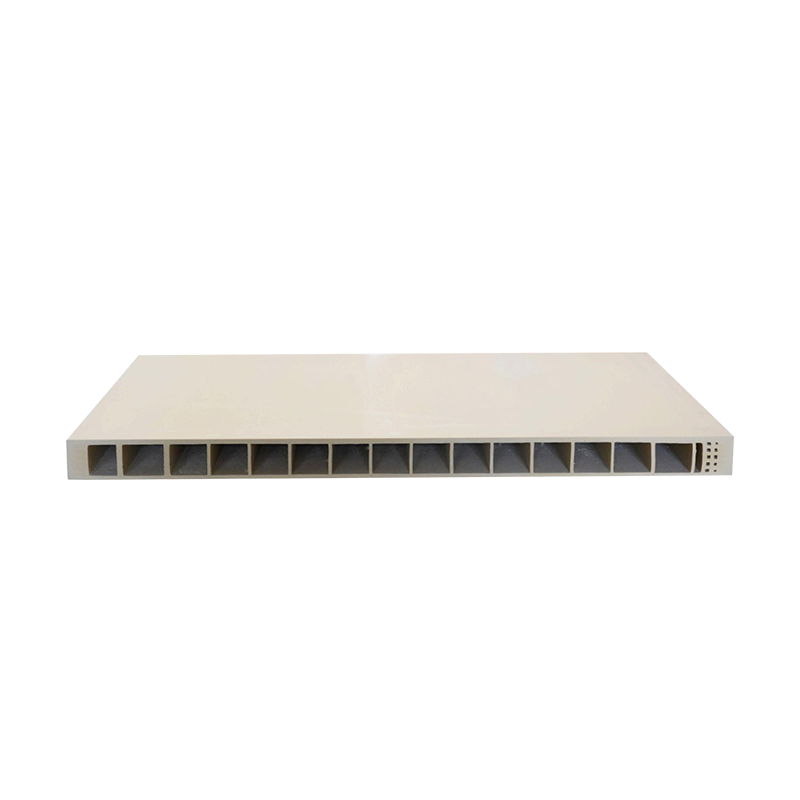
The manufacturing process for WPC door panels utilizes standard plastic extrusion and foaming technologies, allowing for the creation of various profiles, thicknesses, and densities. This intrinsic flexibility simplifies the fabrication of finished doors, enabling manufacturers to produce everything from solid core internal doors to intricate raised-panel designs. The surface of WPC panels accepts various finishing treatments, providing immense design versatility for different aesthetic requirements.
Common Surface Finishing Options for WPC Doors
WPC panels can be finished to mimic the look of natural materials or to achieve modern, uniform colors. The choice of finish depends on the desired durability, visual appeal, and budget. These finishing methods are typically applied directly to the panel core:
| Lamination | PVC Foiling/Wrapping | Paint/PU Coating |
| Involves bonding a high-pressure laminate (HPL) or PVC sheet to the panel surface using industrial adhesives. Offers high scratch resistance and a wide range of realistic wood-grain or solid-color designs. | A cost-effective method where a PVC film is heat-wrapped around the panel, often including the edges. Excellent for achieving seamless finishes, especially on complex panel contours. | Liquid coatings are applied and cured, allowing for custom color matching and high-gloss or matte effects. Polyurethane (PU) finishes offer increased chemical and abrasion resistance. |
Practical Considerations for Installation and Long-Term Performance
One of the practical advantages of WPC is that it can be worked with using conventional woodworking tools, including saws, routers, and drills. This simplifies the on-site installation process, making it comparable to fitting a solid wood or composite door. However, due to its density and thermal properties, specific installation practices should be followed to ensure long-term performance and maintain warranty validation.
Tips for Machining and Handling WPC Doors
- Tooling: Use carbide-tipped blades and bits, as the density of WPC can dull high-speed steel (HSS) tools faster than natural wood. Maintain sharper edges for cleaner cuts and routing.
- Fittings and Hardware: Pre-drilling screw holes is highly recommended, especially near edges, to prevent splitting. Use screws and fasteners specifically rated for composite materials for maximum pull-out strength.
- Gap Allowance: While WPC is dimensionally stable, a minimal expansion gap should be left around the door panel within the frame, especially in areas with extreme temperature swings, to allow for minor thermal movement.
- Sealing of Exposed Edges: If the door is used in a high-moisture area and any core material is exposed (e.g., after cutting), it is a best practice to apply a PVC-compatible edge sealant to ensure complete water isolation and panel integrity.
Sustainability and Environmental Impact of WPC
Beyond its performance characteristics, WPC is often promoted as an environmentally conscious material. The wood fibers used are frequently sourced from recycled or sustainably harvested wood waste, reducing the reliance on virgin timber. Furthermore, the thermoplastic components, particularly PVC, can often be recycled at the end of the door's long service life. This focus on utilizing waste streams and offering a durable product with a long lifespan contributes significantly to a lower overall environmental footprint compared to materials that require constant replacement or resource-intensive harvesting.


