


 English
 中文简体
中文简体
 عربى
عربى

Content
- 1 What Is a WPC Glass Door and What Makes It Different?
- 2 Core Materials in a WPC Glass Door: What You're Actually Buying
- 3 WPC Glass Door vs. Wood, uPVC, and Aluminum: A Practical Comparison
- 4 Interior WPC Glass Door Applications: Where They Work Best
- 5 Exterior WPC Glass Doors: Performance Requirements and Considerations
- 6 Key Specifications to Check When Buying a WPC Glass Door
- 7 WPC Glass Door Installation: What to Prepare For
- 8 Maintaining a WPC Glass Door: What It Actually Takes
What Is a WPC Glass Door and What Makes It Different?
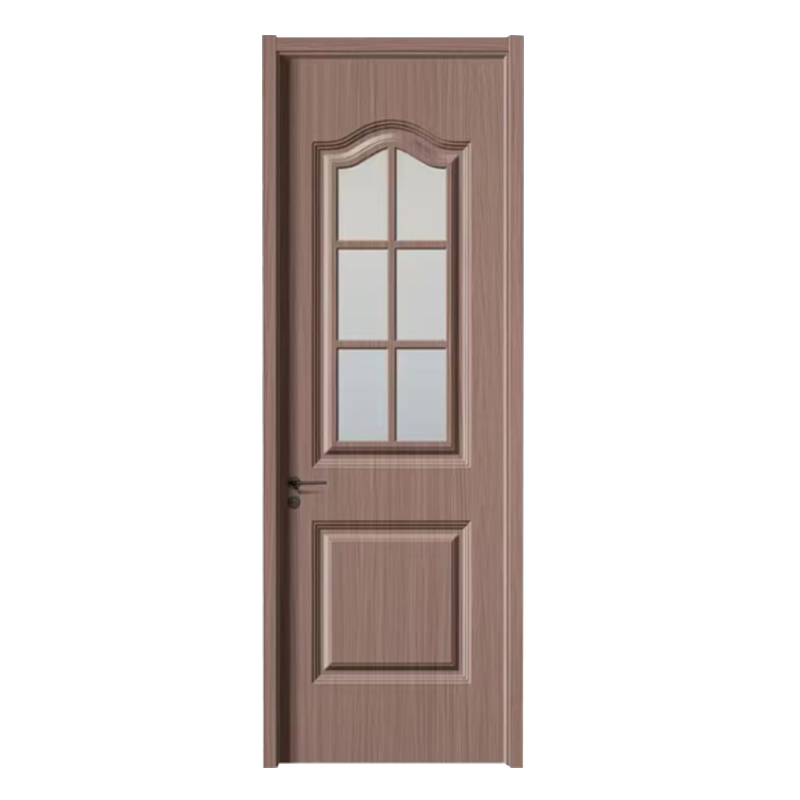
A WPC glass door is a door constructed with a frame and panel body made from wood-plastic composite (WPC) material, combined with one or more glass inserts or full glazed panels within the door leaf. WPC — short for wood-plastic composite — is an engineered material produced by blending wood fiber or wood flour with thermoplastic polymers such as polyvinyl chloride (PVC), polyethylene (PE), or polypropylene (PP), along with chemical additives for UV stability, color retention, and processing performance. The resulting material combines the visual warmth and workability of wood with the dimensional stability, moisture resistance, and low maintenance requirements of plastic.
The addition of glass elements to WPC door construction transforms what would otherwise be a solid panel door into a product capable of transmitting natural light between spaces while maintaining the structural and environmental performance advantages of the WPC frame. Glass inserts in WPC doors range from small decorative lites in the upper section of a single door panel, to large full-height glazed panels in French door configurations, to sidelights and transoms in entrance door assemblies. The glass used in WPC glass doors is typically tempered safety glass, laminated glass, or insulated glass units (double glazing) depending on whether the application is interior or exterior and what thermal and safety performance is required.
What genuinely distinguishes WPC glass doors from both solid timber and standard uPVC doors is the combination of properties they deliver in a single product. Unlike solid wood, WPC does not warp, crack, swell, or rot in response to moisture changes — a critical advantage in bathrooms, kitchens, and exterior applications where humidity and weather exposure are ongoing concerns. Unlike hollow uPVC profiles, quality WPC door frames have genuine material density that provides better acoustic performance, a more substantial feel when closing, and easier machining for hardware installation. When combined with glazing, these properties make WPC glass doors a versatile and practically superior option across a wide range of residential and light commercial applications.
Core Materials in a WPC Glass Door: What You're Actually Buying
Understanding the material composition of a WPC glass door helps you evaluate product quality claims more accurately and ask the right questions when comparing options from different manufacturers. The performance of a WPC glass door is determined by the quality and proportions of its constituent materials — both in the WPC substrate and in the glazing element.
The WPC Substrate: Wood Fiber to Polymer Ratio
The mechanical and environmental performance of a WPC door frame is directly influenced by the ratio of wood fiber to polymer binder in the composite formulation. Higher wood fiber content (typically 50–70% by weight) produces a material with better rigidity, higher density, and a surface texture that more closely resembles real wood — but also a material more susceptible to moisture absorption if the surface coating is damaged or inadequate. Higher polymer content improves moisture resistance and dimensional stability but reduces the wood-like visual character and may produce a surface that looks more plastic than natural. Premium WPC glass door manufacturers balance these proportions carefully and apply high-quality surface finishes — typically a co-extruded protective layer or a UV-resistant paint or foil laminate — to seal the composite against moisture ingress regardless of the core formulation.
Glass Type and Specification
The glass specification in a WPC glass door is as important as the frame material, and the correct glass type depends entirely on the door's location and function. For interior WPC glass doors in partition walls, hallways, and room dividers, 4mm or 5mm tempered (toughened) safety glass is the standard specification — it provides the mandatory safety requirement that if broken, the glass fractures into small, relatively harmless granules rather than dangerous shards. For exterior WPC glass doors or those in high-traffic areas, laminated safety glass (two glass panes bonded with a PVB interlayer) is preferred because it holds together in a cracked state, maintaining a barrier against intrusion and weather even after impact damage. Double-glazed insulated glass units (IGUs) consisting of two glass panes separated by a sealed air or gas-filled cavity are used in exterior WPC glass doors where thermal insulation is a requirement — the IGU significantly reduces heat transfer through the glazed area, contributing to the door's overall thermal performance.
Frame Construction and Reinforcement
WPC glass door frames are manufactured using either extrusion profiles (where the composite material is forced through a shaped die to produce a continuous profile, which is then cut and jointed into a frame) or compression molding (where the composite is molded directly into panel and frame shapes). Extruded WPC profiles are the most common approach for door frames due to their consistent cross-section, dimensional accuracy, and structural efficiency. Quality WPC door frames for exterior or large-format applications often incorporate steel or aluminum reinforcement inserts within the extruded profiles to provide additional rigidity and prevent long-term deflection under load — particularly important at the hinge and lock stile positions where mechanical forces are concentrated.
WPC Glass Door vs. Wood, uPVC, and Aluminum: A Practical Comparison
Choosing between door materials is one of the most consequential decisions in any building or renovation project, affecting not only initial cost but decades of performance, maintenance commitment, and aesthetic character. Here's how WPC glass doors compare directly against the main competing material options across the criteria that matter most to homeowners and specifiers.
| Property | WPC Glass Door | Solid Timber | uPVC | Aluminum |
| Moisture Resistance | Excellent | Poor–Moderate | Excellent | Excellent |
| Thermal Insulation | Good | Good | Good | Poor (needs thermal break) |
| Sound Insulation | Good | Very Good | Moderate | Moderate |
| Maintenance Required | Very Low | High | Very Low | Low |
| Aesthetic Warmth | Good (wood-like) | Excellent | Poor–Moderate | Moderate–Good |
| Dimensional Stability | Excellent | Poor | Good | Excellent |
| Relative Cost | Medium | Medium–High | Low–Medium | High |
| Recyclability | Moderate | Good | Moderate | Excellent |
Interior WPC Glass Door Applications: Where They Work Best
Interior WPC glass doors have expanded significantly in popularity as architects and homeowners seek ways to bring natural light deeper into floor plans without sacrificing the acoustic privacy and visual separation that solid doors provide. The combination of a durable, stable WPC frame with a strategically sized glass insert achieves a balance between openness and enclosure that neither a fully solid door nor a full-glass partition can match on its own.
Living Room and Dining Room Dividers
One of the most popular uses for interior WPC glass doors is as a divider between living and dining spaces in open-plan layouts where the homeowner wants the option to close off areas for different activities without permanently losing the sense of spatial connection. A WPC glazed door or a pair of WPC French doors with full-height glass panels allows light to pass freely between spaces when the doors are closed, maintaining visual connection while providing a meaningful acoustic and thermal separation. The wood-textured surface of quality WPC frames integrates naturally with timber flooring, furniture, and interior woodwork without the clinical appearance of aluminum-framed glass partitions.
Bathrooms and Wet Rooms
Bathrooms represent one of the most demanding interior environments for door materials — continuous humidity, temperature cycling between hot shower steam and ambient conditions, and occasional direct water contact from splashing create conditions that cause solid timber doors to warp, swell, and eventually fail at paint and joinery interfaces. WPC glass doors are particularly well suited to bathroom applications precisely because the composite material is inherently resistant to all of these moisture-related failure modes. A WPC bathroom door with a frosted or obscured glass insert provides the privacy of a solid door while admitting light from an adjoining corridor or bedroom — a combination that significantly reduces the tunnel-like feel of windowless bathrooms.
Home Office and Study Doors
For home offices, the WPC glass door with a partial glass insert in the upper section strikes a particularly useful balance — it provides enough visual transparency for household members to see at a glance whether the occupant is on a call or in a focused work session without requiring them to open the door and interrupt, while the solid lower panel section maintains the acoustic isolation and visual privacy from the work surface and monitor that a fully glazed partition would compromise.
Exterior WPC Glass Doors: Performance Requirements and Considerations
Using WPC glass doors in exterior applications — as front entrance doors, back garden doors, patio access doors, or balcony doors — introduces a significantly more demanding set of performance requirements than interior use. Exterior WPC glass doors must resist weather exposure, provide adequate thermal insulation to contribute to the building's energy performance, withstand attempted forced entry at a meaningful level, and maintain their aesthetic appearance without refinishing for an extended service life.
Weather Resistance and Sealing
The WPC frame material in an exterior door must be formulated for outdoor UV exposure — without adequate UV stabilizer additives in the composite formulation, the polymer binder phase will degrade over years of sun exposure, causing surface chalking, color fading, and eventual loss of surface integrity. Quality exterior WPC glass doors use composite formulations specifically engineered for outdoor use and are finished with co-extruded protective surface layers or high-build UV-resistant paint systems that maintain color and surface quality for 10 years or more without refinishing. The glazing in exterior WPC doors must be fitted with durable weather seals — typically EPDM rubber gaskets — that maintain a watertight and airtight interface between glass and frame throughout the thermal expansion and contraction cycles that occur seasonally.
Thermal Performance of the Door Assembly
The thermal performance of an exterior WPC glass door is expressed as a U-value — the rate of heat transfer through the complete door assembly in watts per square meter per degree Kelvin (W/m²K). Lower U-values indicate better thermal insulation. The total U-value of a WPC glass door depends on both the frame material's thermal conductivity and the thermal performance of the glazing unit. A single-pane glass insert performs poorly (U-value around 5.0–5.8 W/m²K for the glazed area), while a standard double-glazed IGU with a 16mm cavity achieves approximately 2.8 W/m²K, and a high-performance argon-filled IGU with low-emissivity coatings reaches 1.0–1.4 W/m²K. For exterior WPC glass doors in climates where building regulations specify minimum door U-values, specifying the correct IGU specification within the WPC frame is essential for regulatory compliance.
Security Hardware Compatibility
Exterior WPC glass doors must accommodate multi-point locking systems, high-security hinges, and appropriate door closers — the hardware specification for an entrance door is significantly more demanding than for an interior room door. Quality WPC door profiles for exterior use are designed with sufficient material thickness and density in the lock stile and hinge positions to accept mortise lock cutouts, hinge recesses, and keep plate recesses machined to the same tolerances as solid timber. Steel or aluminum reinforcement inserts within the WPC profiles at these positions are strongly recommended for exterior entrance doors to ensure that hardware fixing points remain secure under the repeated mechanical loading of daily use and the concentrated forces that occur during attempted forced entry.
Key Specifications to Check When Buying a WPC Glass Door
The WPC door market includes a wide range of quality levels, and the differences aren't always apparent from product photographs or basic descriptions. Asking the right specification questions before purchasing protects you from investing in a product that underperforms or fails prematurely in your specific application.
- Wood fiber to polymer ratio: Ask the manufacturer to specify the composition of the WPC material. A ratio in the range of 60% wood fiber to 40% polymer is typical for quality interior applications. For exterior use, higher polymer content (40–50% polymer) provides better moisture and UV resistance.
- Surface finish type and warranty: Confirm whether the surface is co-extruded (a separate protective layer applied during manufacturing — more durable), painted, or foil-laminated. Ask for the manufacturer's surface warranty period and the conditions that void it — this tells you a great deal about the manufacturer's confidence in their own product.
- Glass specification and safety compliance: Verify that all glass in the door meets the safety glazing standard applicable in your country (EN 12150 in Europe, ANSI Z97.1 or CPSC 16 CFR 1201 in the USA). For exterior doors, confirm the glazing type — single, double, or triple — and the U-value of the IGU if thermal performance is a requirement.
- Frame profile wall thickness: Thicker profile walls indicate a more structurally robust frame. For interior WPC glass doors, a minimum wall thickness of 8–10mm in the main frame profiles is reasonable. For exterior doors, 12mm or more in the structural profiles provides better rigidity and hardware anchorage.
- Steel reinforcement in lock and hinge stiles: For any exterior WPC glass door or heavily used interior door, confirm that the lock stile and hinge stile profiles contain steel or aluminum reinforcement inserts. This is non-negotiable for security performance and long-term hardware stability.
- Overall door weight: A heavier WPC glass door generally indicates denser, higher-quality composite material. Very lightweight WPC doors with low panel weight may use hollow core construction or low-density foam fill rather than solid composite — adequate for lightweight interior applications but insufficient for exterior or acoustic performance applications.
- Formaldehyde emission class: Since WPC materials contain wood fiber, some formulations use adhesive binders that release formaldehyde. For interior doors in habitable spaces, look for products certified to E1 or E0 emission class (European standard) or CARB Phase 2 compliance (US standard), which limits formaldehyde off-gassing to levels considered safe for interior use.
WPC Glass Door Installation: What to Prepare For
Installing a WPC glass door follows broadly similar procedures to installing a timber or uPVC door, but there are a few material-specific considerations that differ from standard practice. Understanding these in advance prevents installation errors that compromise both performance and appearance.
Frame and Rough Opening Preparation
Before installing a WPC glass door, verify that the rough opening in the wall is square, plumb, and level — an out-of-square opening transfers distortion into the door frame, which will cause the door to bind, fail to latch cleanly, and potentially stress the glass panel. The rough opening should be 10–20mm larger than the door frame on each side to allow for adjustment shims and sealant. For exterior WPC glass door installations, apply a continuous bead of low-modulus silicone sealant between the back of the frame and the wall opening before final fixing to create a weather-resistant barrier that prevents water ingress behind the frame.
Fixing Methods for WPC Door Frames
WPC door frames are fixed to the rough opening using frame anchors, through-frame fixings, or expanding foam combined with perimeter fixings, depending on the wall construction and door size. Unlike timber frames that can be nailed directly into timber studwork, WPC profiles require pre-drilling to prevent splitting — use a sharp wood drill bit and drill pilot holes before driving any fixings. Where possible, fix through the frame at positions that will be concealed by the door stops or architrave trims after installation. For heavy exterior WPC glass doors, a minimum of three fixing points per jamb is recommended to distribute the door's weight and resist wind loading adequately.
Glass Bead and Seal Installation
If the glass panels in a WPC glass door are not factory-glazed (some suppliers ship frames and glass separately for site glazing), the glass must be installed with setting blocks at the bottom edge to prevent it from resting directly on the frame rebate, EPDM or silicone glazing gaskets around the full perimeter to provide a weathertight and shock-absorbing interface, and WPC or timber glazing beads secured into the frame rebate to retain the glass on the internal face. Never use hard packing alone to fill the gap between glass and frame — the glass must be cushioned from rigid contact with the frame at all points to prevent stress cracking from thermal expansion and frame deflection under load.
Maintaining a WPC Glass Door: What It Actually Takes
One of the most compelling practical advantages of WPC glass doors over timber alternatives is their dramatically reduced maintenance requirement. Where a painted or varnished timber door needs refinishing every 3–5 years — a time-consuming and disruptive process that involves sanding, priming, and recoating in favorable weather conditions — a quality WPC glass door requires only routine cleaning to maintain its appearance and performance for a decade or more.
For routine cleaning, wipe the WPC door surface with a soft cloth or sponge dampened with warm water and a small amount of mild household detergent. This removes surface dust, atmospheric soiling, fingermarks, and light staining without risk of surface damage. Rinse with clean water and dry with a soft cloth to prevent water spotting, particularly on darker-colored surfaces. Avoid abrasive cleaners, scouring pads, solvent-based cleaners, and high-pressure washing directly on the door surface — these can abrade or chemically attack the surface finish, reducing its UV resistance and aesthetic quality. Clean the glass panels with a standard glass cleaner and a lint-free cloth, working from the top down to prevent drips from contaminating already-cleaned areas.
The hardware on a WPC glass door — hinges, locks, handles, and closers — requires more attention than the door material itself. Lubricate hinge pivot points and lock mechanisms annually with a light machine oil or dry PTFE lubricant to maintain smooth operation. Check and tighten all visible fixing screws on hinges and hardware annually, as thermal cycling causes screws to work loose over time. Inspect the perimeter weather seals on exterior WPC glass doors each year and replace any sections that show cracking, compression set, or separation from the frame, as deteriorated seals directly compromise thermal performance and weather resistance regardless of how well the door frame and glass are performing.


