


 English
 中文简体
 عربى

A glass door can make a small hallway feel wider, bring daylight into a windowless office, or give a bathroom a cleaner, more open look. But the frame matters just as much as the glass. If the frame swells, twists, or loses its finish, the door stops feeling elegant very quickly. That is why we like WPC glass doors: they use a wood-plastic composite frame to hold the glass steady while keeping the practical benefits of a modern composite material. In this guide, we will walk through how these doors are built, where they work well, what glass choices mean for privacy and safety, and what to check before you order.
 Classic Elegant WPC Glass DoorA customizable classic WPC glass door with grid-pattern glass and a moisture-resistant frame, suited to bedrooms, studies, and office partitions.View Product →
Content
What Is a WPC Glass Door?
A WPC glass door is an interior door with a frame made from wood-plastic composite and a glass panel set into the frame. The WPC part is a mix of polymer and wood fibre, extruded into profiles that look and feel like timber but behave differently in humid or damp conditions. The glass part can be clear, frosted, tinted, laminated, or textured, depending on how much light and privacy you want. WPC gives the door structure, screw-holding strength, and a stable surface for laminates or coatings; glass keeps the design light and allows visual connection between rooms.
The frame has to hold the glass securely, accept hinges and locks, and stay straight over time. Good WPC profiles are extruded to consistent tolerances, then cut, assembled, reinforced where needed, and finished. The glass is set with suitable beading and gaskets so it does not rattle or sit under stress.
Why WPC Frames Work Well with Glass
Glass doors put a different kind of load and stress on a frame than solid doors do. The frame must stay flat, because any twist shows up quickly in the glass line and the door edges. WPC is a good match here because it is dimensionally stable and does not absorb water in the way natural timber can. In bathrooms, kitchens, laundry rooms, and humid commercial interiors, that stability helps the door keep its shape and finish.
We also appreciate WPC for its design flexibility. The profiles can be finished in matte whites, woodgrains, stone effects, and soft neutral colours, so the frame can blend with the wall or stand out as a deliberate accent. It is not indestructible, and it is not the same as solid glass or aluminium, but for interior doors that need a warm look with low maintenance, it is a sensible balance.
Glass Choices That Shape Privacy, Safety, and Style
The glass is where most of the character comes from, and it is also where buyers should slow down. A clear panel makes a room feel open, but it may not suit a bathroom or a meeting room. Frosted glass gives privacy while still letting light through. Tinted glass can reduce glare, and textured glass adds pattern without curtains. For safety, tempered or laminated glass is usually preferred in doors, especially in homes with children, rental properties, and busy offices.
| Glass option | Best for | Practical note |
|---|---|---|
| Clear tempered glass | Living areas, offices, interior partitions | Maximum light and visual connection; confirm safety glazing standards |
| Frosted glass | Bathrooms, meeting rooms, bedroom doors | Privacy without blocking daylight; choose a consistent frost level |
| Laminated glass | Homes, schools, commercial interiors | Holds together if broken; good where extra safety is a priority |
| Tinted glass | Sunny rooms, glazed partitions | Reduces glare and heat; can change the perceived colour of the frame |
Glass thickness, edge finish, and the way the panel is retained should be agreed with your supplier. A thin, poorly seated panel can rattle or crack; a properly specified panel feels quiet and secure. If the door is going into a wet area, make sure the glazing details and sealants are suitable for that environment.
Where WPC Glass Doors Fit Best
In our experience, WPC glass doors are most useful where you want light to move between spaces without opening up the wall completely. They are a natural fit for home offices, studies, hallways, and interior doors that separate a bright room from a darker one. In bathrooms and laundry areas, the moisture resistance of the WPC frame is a real advantage, while frosted glass protects privacy. In commercial interiors, they work well for office fronts, consultation rooms, retail back areas, and rental apartments where a clean, modern look matters.
- Residential interiors: bathroom doors, study doors, kitchen partitions, and hallway doors that need more light.
- Workspaces: meeting rooms, manager offices, reception areas, and internal partitions.
- Rental and project work: consistent finishes, repeatable sizes, and easy cleaning between tenants.
- Retail and hospitality: back-of-house doors, powder rooms, and light-dividing panels where appearance matters.
They are less suitable for exterior entrances or applications that demand structural glazing, fire rating, or security performance unless the door has been specifically engineered and tested for that use.
Style and Hardware Details That Make a Difference
A glass door is visually simple, so small details have a big effect. The frame width, the glass-to-frame ratio, the handle shape, and the hinge finish all change the final look. A slim frame with clear glass feels contemporary; a wider frame with frosted glass feels calmer and more private. For hardware, choose hinges that suit the door weight and opening frequency, and make sure the lock or latch is compatible with the frame profile. Seals and gaskets should be fitted neatly so the door closes with a soft, solid sound rather than a rattle.
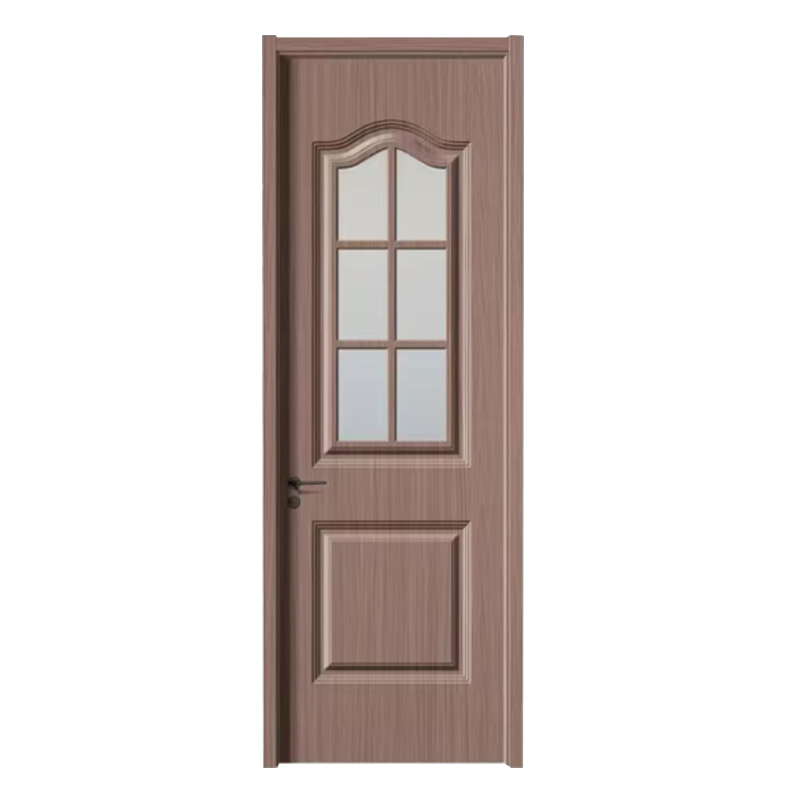 Custom WPC Door With Tempered GlassA customizable WPC interior door with tempered glass, matched frame, and configurable glazing, finish, and hardware for residential or commercial openings.View Product →
We usually advise buyers to decide on the opening direction, handle height, and glass privacy level before production starts. Those details are difficult to change later, and they affect how the door feels every day.
What to Check Before Ordering
Buying a WPC glass door is not complicated, but it does reward a little preparation. Measure the opening after the finished floor is in place or with the intended finished level clearly marked. If the door is going into a renovation, check that the frame can be fixed securely and that the wall is straight enough for the architrave to sit neatly.
- Opening dimensions: width, height, and wall thickness, measured in more than one place.
- Glass specification: clear, frosted, tinted, tempered, or laminated, plus thickness and edge finish.
- Frame finish: colour, woodgrain, or solid shade, with a sample approved if colour matching matters.
- Hardware: hinge type, handle, lock, and seal, all suitable for the door weight and use.
- Delivery and installation: confirm lead time, packaging, and who will fit the door on site.
It also helps to ask how the glass is protected during transport and whether the door arrives pre-hung or as a set of components.
Installation and Daily Care
Installation should be done by someone who understands both composite frames and glazed doors. The door should be stored upright before fitting, not laid flat where it can bow. Fixings should be snug, not over-tightened, and the frame should be packed and levelled so the door swings without stress. After installation, check that the glass sits evenly in the frame and that the door closes against the seal without forcing.
Day-to-day care is simple: wipe the frame with a soft damp cloth and mild soap, dry the glass with a non-abrasive cloth, and avoid harsh solvents or scouring pads. Check hinges and seals occasionally, especially in busy homes or offices.
How We Support Your Project
Our team works with WPC doors every day, from extrusion and finishing to hardware matching and packing. Our production site covers more than 20,000 square metres, with 12 or more WPC door extrusion lines and 10 coating lines, and we produce WPC doors and melamine doors for projects and trade buyers. That scale helps us keep profiles consistent and handle repeat orders, but the part we care about most is the practical conversation before the order: what the door needs to do, how the space is used, and which glass and finish will still look right after a few years. You can learn more about our factory capabilities or contact our team with your opening sizes and project details.
A WPC glass door is a practical way to add light, privacy, and a clean modern line to an interior without accepting the maintenance that comes with a timber frame in damp rooms. Choose the glass for the way the room is used, choose the frame finish for the surrounding space, and check the hardware and installation details before production. When those pieces are right, the door does its job quietly: it lets light through, closes with a solid feel, and keeps its appearance with very little fuss.


