


 English
 中文简体
中文简体
 عربى
عربى

Every door hinge carries the full weight of the door, absorbs thousands of open-close cycles per year, and rarely receives attention until a door starts to sag. Iron hinges have been the standard choice for interior and exterior doors for centuries because they combine mechanical strength with affordable manufacturing. But "iron hinge" is a broad term that covers wrought iron, cast iron, and steel hinges with dark finishes, and each type behaves differently in service. The practical decision is not whether to use iron, but which material, which size, and which finish your specific door and environment require. This article covers the material differences, gives a simple sizing method, and lists the installation mistakes that cause most hinge failures.
Content
What Makes an Iron Hinge Different
An iron hinge is any hinge whose load-bearing leaves and knuckles are made from iron or an iron-based alloy. In trade catalogues, the group typically includes three materials.
Forged wrought iron hinges are heated and hammered into shape, which aligns the metal grain and produces a tough hinge that withstands repeated bending. They are the traditional choice for period homes and statement doors. Cast iron hinges are poured into moulds, which allows ornamental shapes that are difficult to forge, but cast iron is more brittle and can crack if a hinge is overloaded or corroded. Stamped steel hinges, often called iron hinges because of their dark finish, are bent from steel sheet and coated to match the look of iron. They are the most common type on the market because they are consistent, inexpensive, and perfectly adequate for standard interior doors.
For an ordinary interior door, a correctly sized and coated iron hinge will outlast the rest of the hardware. The failures you see in practice, such as sagging, squeaking, and rust stains, are almost always the result of an undersized hinge, a poor finish, or installation errors, not a problem with iron as a material.
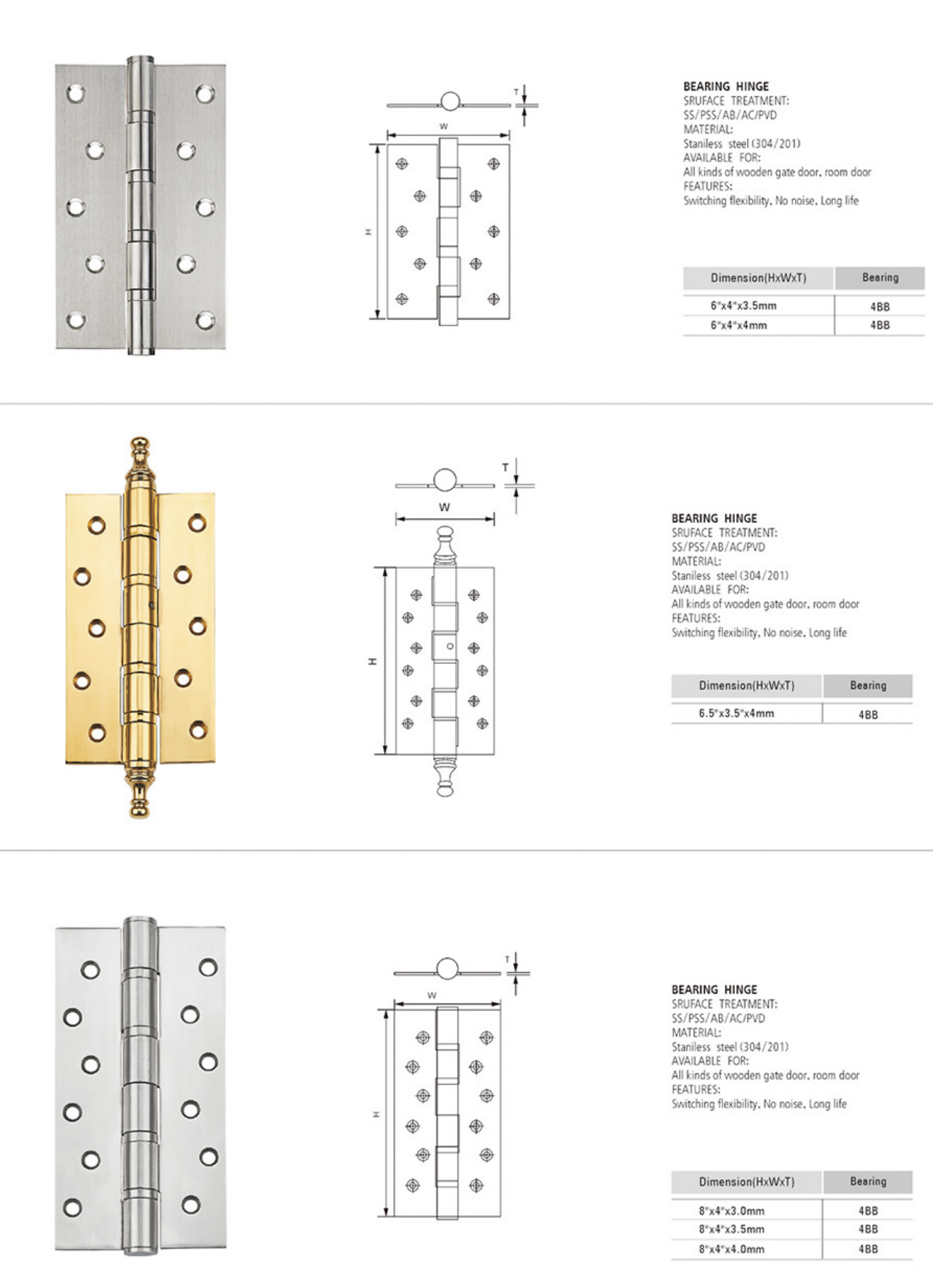 Cold-Rolled Steel Interior Door Hinges for Standard Bedroom and Bathroom DoorsThese hinges offer dependable strength and smooth operation for standard interior doors. Their low-profile design and corrosion-resistant plating make them a practical, long-lasting choice for residential renovations.View Product →
Wrought Iron vs Cast Iron vs Mild Steel
The table below summarises the practical differences between the three materials.
| Material | Manufacturing | Strength | Corrosion Resistance | Best Use | Cost |
|---|---|---|---|---|---|
| Wrought iron | Forged and hammered | High; good fatigue resistance | Moderate; needs a protective finish | Period homes, heavy doors, restoration | High |
| Cast iron | Cast in a mould | Strong but brittle | Moderate; can crack once rust forms | Decorative and ornamental hardware | Medium |
| Mild steel | Stamped and bent from sheet | Good for most interior doors | Low; depends entirely on the coating | Modern and budget-conscious projects | Low |
If you are buying hinges for a whole project, such as a house, an apartment block, or a hotel, stamped steel hinges with a consistent powder-coated finish are usually the safest choice. For a single statement door or a period renovation, the higher cost of forged iron is justified by its durability and character.
How to Size an Iron Hinge for Your Door
Hinge size is the most common specification error. The standard 100 mm (4-inch) hinge works for an ordinary interior door, but "standard" only holds for doors within a normal weight range. A useful rule of thumb is that hinge height should be about one-tenth of the door height. A 2000 mm door therefore calls for a 100 mm hinge. If the door is wider, heavier, or made of a denser material, move up to 125 mm or 150 mm and use three hinges instead of two.
Start by estimating the door weight. A solid timber interior door of standard size weighs roughly 30 to 50 kg. A wood-plastic composite (WPC) door of the same size is typically lighter, around 35 to 45 kg, because the core is a wood-plastic composite rather than solid timber. For a more detailed step-by-step guide to matching hinges with different door types, see our article on picking the right wooden gate door hinges.
| Door Height | Door Weight | Hinge Size | Number of Hinges | Typical Use |
|---|---|---|---|---|
| Up to 1900 mm | Up to 25 kg | 76 mm (3 in) | 2 | Cupboard and light interior doors |
| 2000-2100 mm | 25-45 kg | 102 mm (4 in) | 2 or 3 | Standard interior doors |
| 2100-2400 mm | 45-60 kg | 127 mm (5 in) | 3 | Tall or high-use doors |
| Over 2400 mm | Over 60 kg | 152 mm (6 in) | 3 | Entrance and commercial doors |
Finishes and Corrosion Resistance
Iron rusts when moisture reaches bare metal, so the finish determines the service life. Powder coating is the most reliable option for interior doors: it is tough, uniform, and available in black, bronze, and antique shades. Oil-rubbed bronze finishes give a warm, traditional look but need careful handling during installation because the coating can scratch. Black oxide is a thin conversion finish suitable for dry interiors but not for bathrooms or exteriors. For exterior doors, choose hinges with a galvanized or outdoor-rated coating.
Brass hinges are the most common alternative to iron. Brass does not rust, which makes it useful in bathrooms and coastal environments. It is softer than iron, so the knuckles and pins can wear faster on heavily used doors, and brass is noticeably more expensive. The practical rule is: dry interiors favour iron; humid or coastal locations favour brass or stainless steel.
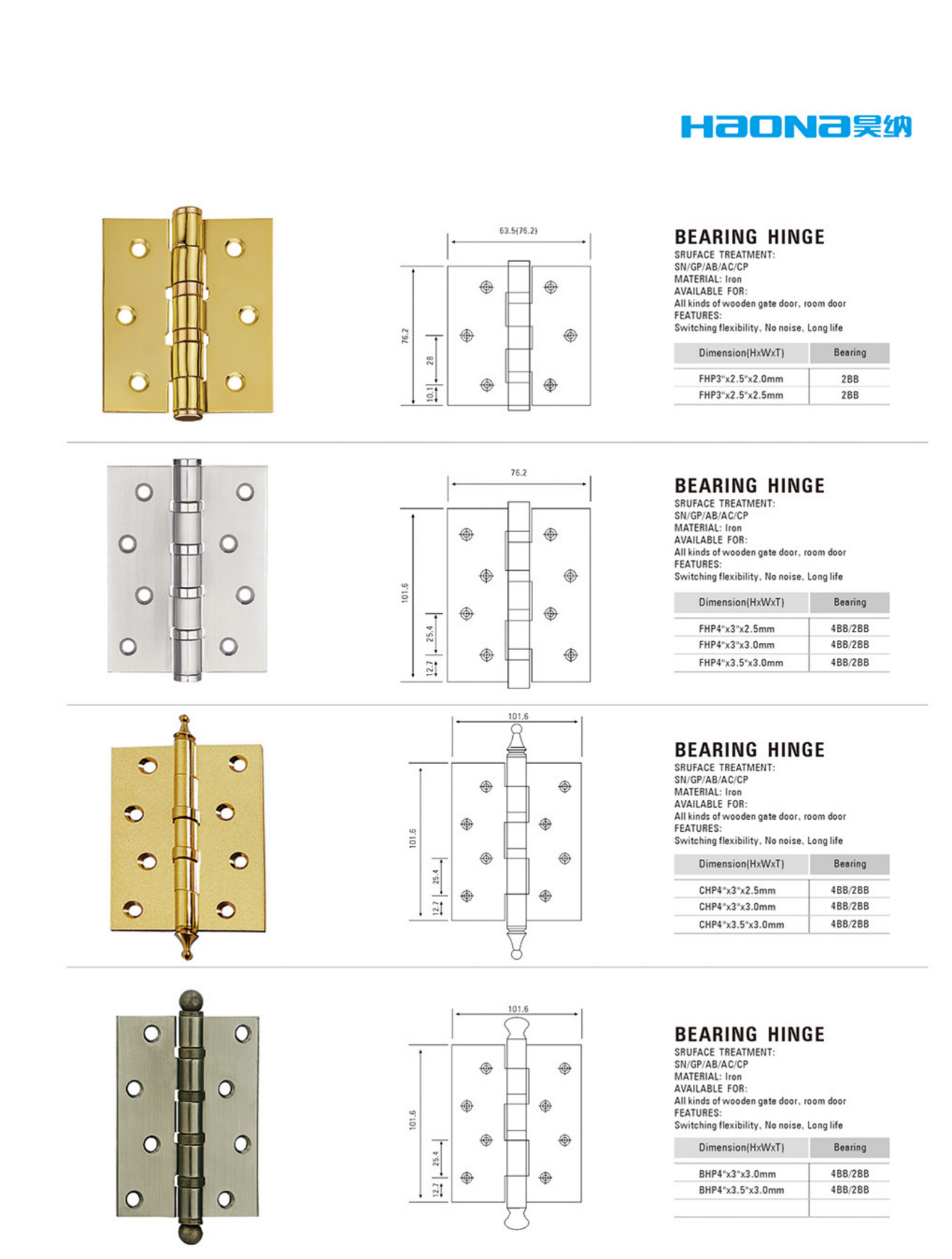 Silent Iron Hinges with Anti-Rust Coating for Kitchen and Bedroom CabinetsDesigned for quiet, dampened motion, these hinges suit frequent-use cabinets. Nylon bushings reduce friction, while the protective coating guards against moisture and grease, making them ideal for kitchens and bedrooms.View Product →
Iron Hinges on WPC and Engineered Doors
Wood-plastic composite (WPC) doors are increasingly common in residential and commercial projects because they resist moisture and remain dimensionally stable. Hinge installation, however, is not the same as on solid timber. A WPC door core is dense but less screw-retentive than solid wood, especially near the edge of the leaf. Screws that are too short pull out under repeated loading; screws that are too long can push against the internal framework or the face panel. Use screws long enough to anchor into the reinforced edge of the door, and drill pilot holes before driving every screw. Minimum mortise depth is also more critical on coated doors, because a proud hinge leaf stresses the screws every time the door moves.
When you source WPC door panels with consistent thickness, hinge alignment and mortising become more predictable across a whole production run or renovation project.
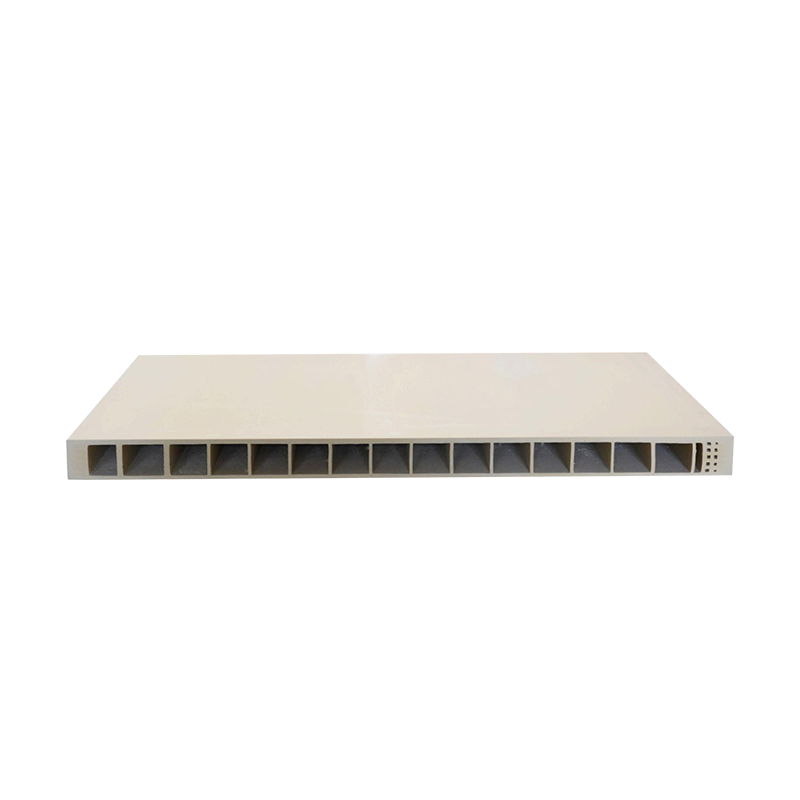 45mm Thick WPC Door Panel for Interior and Exterior UseThis high-density wood-plastic composite panel resists warping and cracking in changing humidity. Its uniform thickness aids hinge alignment, and the smooth surface provides sound insulation, making it suitable for homes and workplaces.View Product →
Installation and Common Mistakes
Most hinge failures are installation errors. The five most common problems are:
- Mortising too shallow, leaving the hinge leaf proud of the surface.
- Driving screws without pilot holes, which splits the frame or the door edge.
- Using the screws packed with the hinge instead of screws matched to the door material.
- Installing two hinges when the door weight requires three.
- Aligning hinge leaves by eye instead of using a straightedge.
Mortise the hinge leaf so it sits flush with the door edge and the frame. Drill pilot holes to a depth just short of the screw length, particularly on painted or coated doors. Check the clearance between door and frame: a uniform 2 to 3 mm gap is correct for most interior doors. Test the door through a full open-close cycle before finalising the installation.
Final Buying Checklist
Before ordering iron hinges for a project, verify the following points:
- Door height and weight. Use the sizing table in this article before choosing hinge height and hinge count.
- Material. Stamped steel with a quality coating covers most interior doors; forged iron suits period or statement doors; brass or stainless steel is better where rust is a concern.
- Finish. Powder-coated black or bronze for interiors; outdoor-rated coating for exposed locations.
- Screws. Order screws suited to the door material, not just the hinge hole size.
- Consistency. Request a sample hinge and test it on the actual door before placing a bulk order.
If you are sourcing hinges for a door factory, a renovation project, or a trade order, discuss the specification directly with the supplier. A reliable supplier should confirm load ratings, coating details, and packaging quantities. You can contact the team with your door dimensions and estimated weight to get a hinge recommendation before ordering.


