Hangzhou Lanyun New Materials Co., Ltd. is a China-based manufacturer of eco-friendly decorative materials and a subsidiary of Yabo Decorative Materials Group. Within our melamine decorative paper family, narrow sized melamine paper is the format we build around door production: slit rolls and narrow-width reels that wrap door leaves, frames, architraves and profile edges without the trim loss of a full sheet.
Our range currently lists 246 narrow sized decors alongside 80 wide sized decors, supported by 12 WPC door extrusion lines and 10 coating lines, an annual capacity of 300,000 WPC door sets and 150,000 melamine wooden door sets, and an ERP-controlled order flow. This is a Narrow Sized Melamine Paper manufacturer page written for the people who specify, laminate and assemble doors.
What Narrow Sized Melamine Paper Is and Where It Fits
Melamine decorative paper is a resin-impregnated printed paper used to give a woodgrain, stone or solid-colour surface to a substrate. The narrow format is defined by roll width rather than by decor: it is produced for wrapping, edge banding, profile lamination and small-panel pressing, where a wide sheet would be cut down and wasted.
In door manufacturing the format matches the workpiece. Door leaves, stiles, rails, frames and architraves are long and comparatively narrow, so a slit roll feeds a wrapping or laminating line with less offcut, fewer joins and a more consistent grain direction along the length of the part.
- Door leaf wrapping and pressing — flat and carved WPC door faces finished in a matched decor.
- Frame and architrave lamination — long, narrow profiles that suit a slit roll.
- Edge and profile banding — narrow strips for exposed edges and routed details.
- Cabinet, furniture and panel work — small panels and components where a wide sheet is impractical.
Our Narrow Sized Melamine Paper Range
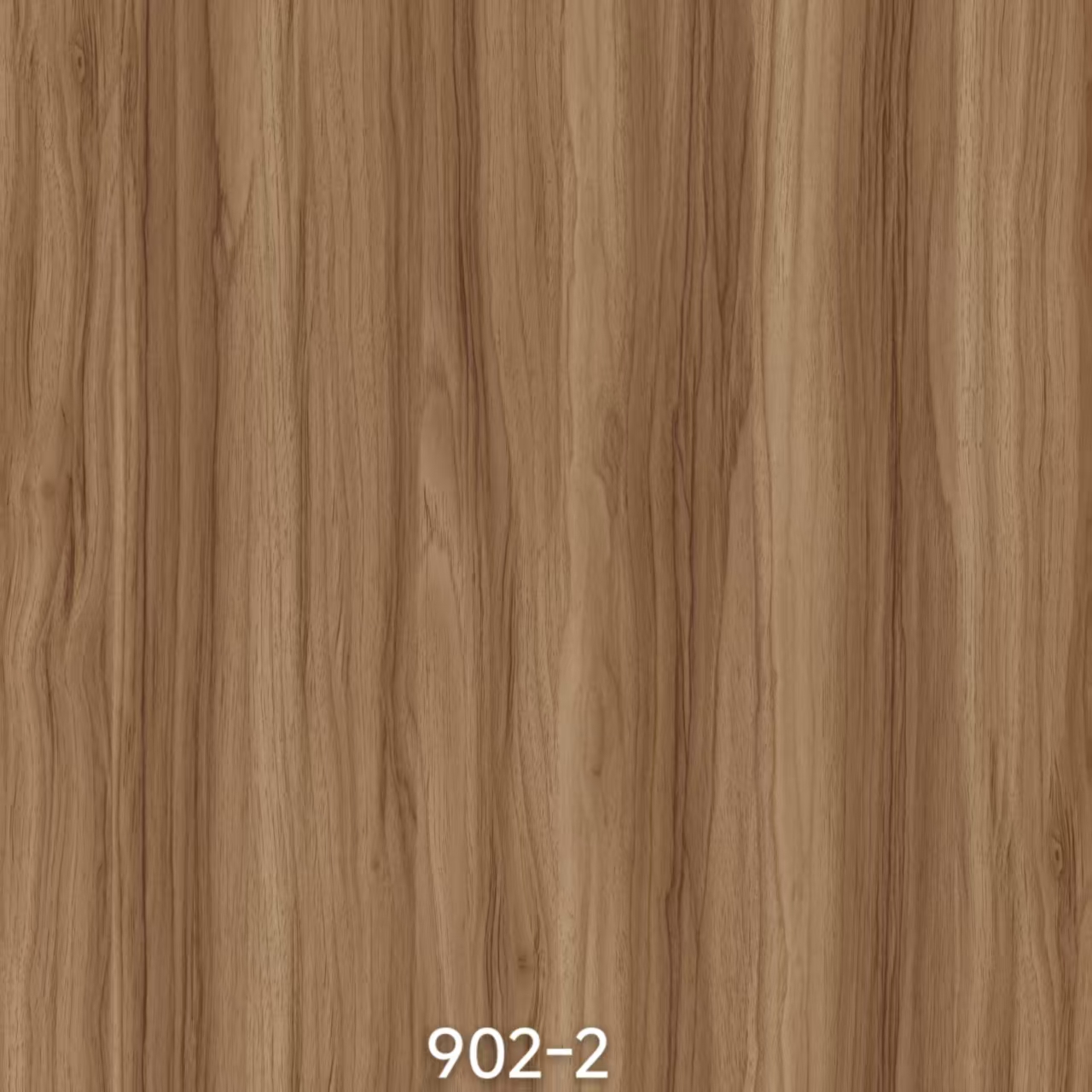
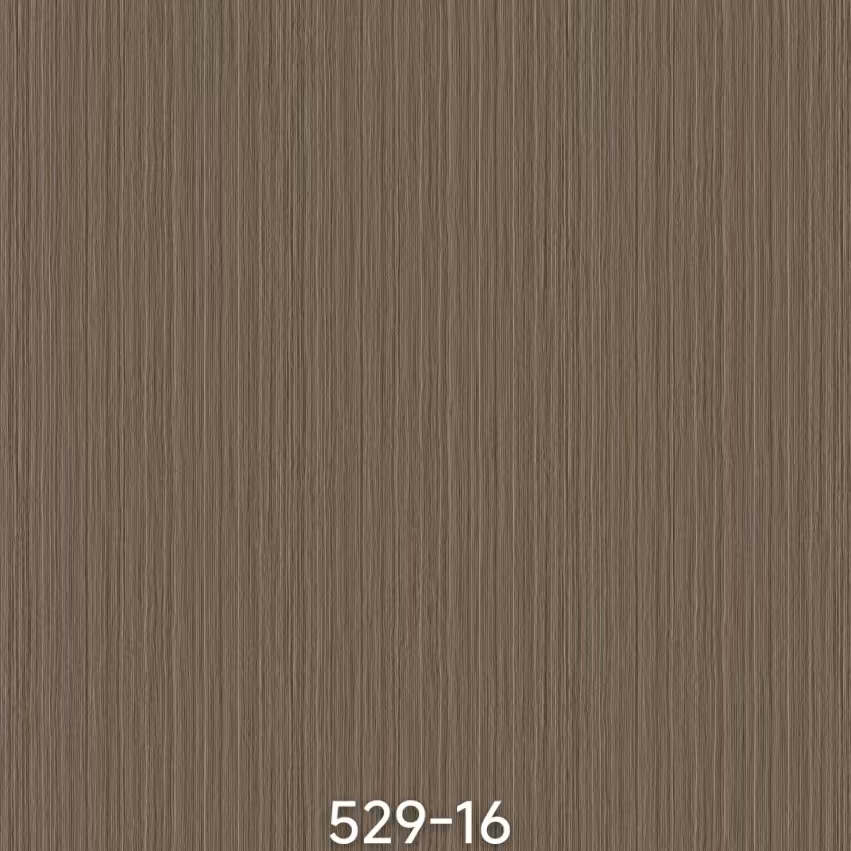
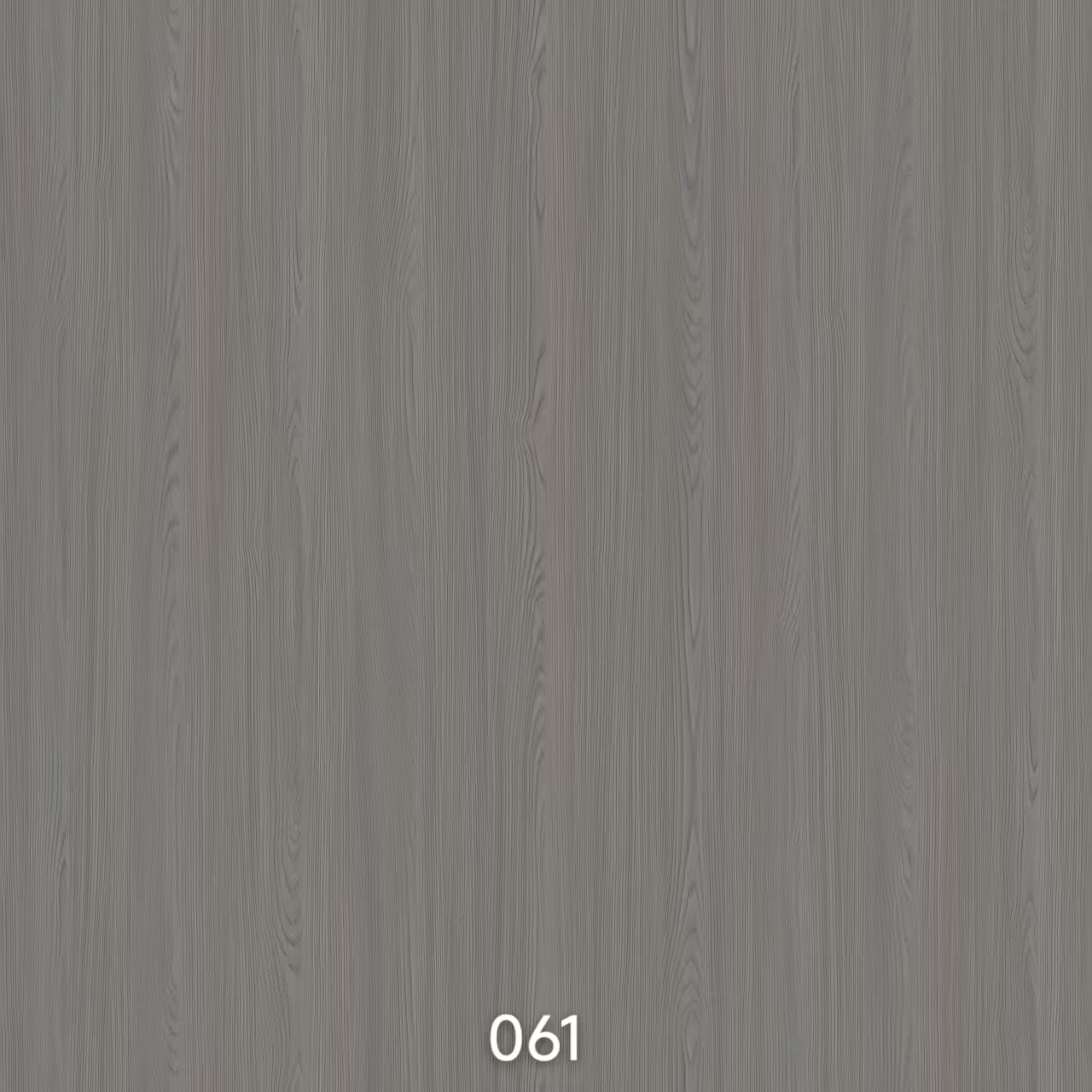
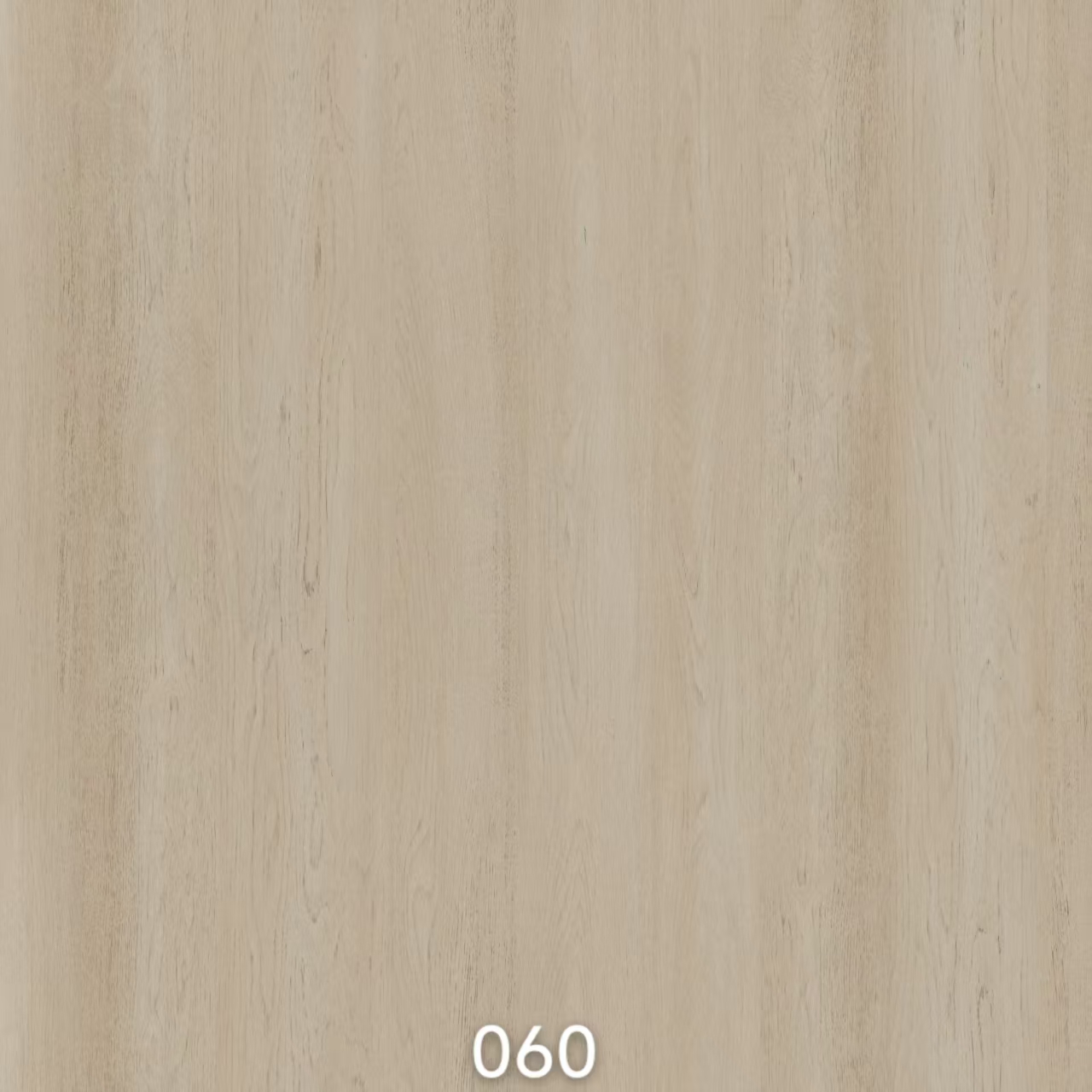
The catalogue is organised by decor code, so a repeat order, a colour extension or a matched component can be traced back to the same reference. Representative decors from the current listing include Melamine Paper JS60240, Melamine Paper YB9171K, Melamine Paper YB7823 and Melamine Paper YB2098, with the YB20xx series covering a broad spread of woodgrains and solid tones.
| Format |
Typical Workpiece |
Process Fit |
Why the Narrow Width Helps |
| Narrow roll, slit to line width |
Door leaf faces, flat panels |
Wrapping, flat pressing |
Less trim loss, fewer splices per leaf |
| Narrow roll for long profiles |
Frames, architraves, stiles and rails |
Profile wrapping, roll lamination |
Continuous grain run along the part |
| Narrow strip |
Edges, routed details, small components |
Edge banding, hand and machine application |
Decor continuity between face and edge |
| Wide sheet (sister range) |
Large panels, slab doors |
Panel pressing |
Single-piece coverage of large faces |
Specifications That Decide a Running Order
Roll width is the number that governs the order, not the decor name. A line set up for a 350 mm frame profile behaves differently from one wrapping a 900 mm leaf, and the slit width, core diameter and roll length all need to match the unwinder and the splice tolerance of the machine.
Width and roll build
Slit width to the line, roll length, core diameter and winding direction agreed against the unwinder.
Base weight and resin load
Paper grammage and resin pickup set the handling strength, opacity and press behaviour of the finished film.
Decor and surface
Grain direction, print register, gloss level and texture matched to the door programme and its hardware.
Substrate and adhesive
WPC, MDF and particleboard surfaces behave differently; the press cycle and adhesive are set to the substrate.
Process Fit Across Our Door Programme
Because we build doors ourselves, the narrow format is specified against real workpieces rather than a catalogue abstraction. The same decor can be carried from a WPC Flat Door face through to its frame and architrave, keeping the grain and tone consistent across the assembled set.
- Flat and carved leaves — wrapping and pressing on flat, routed and moulded faces.
- Assembled door sets — matched decor across leaf, frame and architrave for a single visual line.
- Glazed doors — narrow strips around apertures and beads where a wide sheet cannot follow the geometry.
- Raw material components — panels, frames and architraves finished before assembly.
Where a project mixes narrow and wide components, the sister Wide Sized Melamine Paper range covers slab faces and large panels in the same decor family, so a single specification can run across an entire door package.
Capacity, Repeatability and Supply Control
Our production base covers more than 20,000 square metres, with a 10,000 square metre factory area and 12 WPC door extrusion lines supported by 10 coating lines. That vertical structure means decorative paper, door components and finished doors are produced under one quality system rather than assembled from unrelated suppliers.
Repeatability comes from controlling the inputs. We screen and audit raw material suppliers, test incoming material and compare batches before release, so a decor ordered for a second phase matches the first. An ERP system links order, stock and dispatch, and our stated delivery pattern is 24 hours for domestic orders and one week for foreign trade orders.
Quality Checks and Acceptance
Acceptance is agreed before the first roll is slit. We confirm the inspection points with the customer and record them against the order, so a repeat shipment is checked the same way as the first.
- Decor reference and shade against the approved master under agreed lighting.
- Slit width, roll length and core dimensions against the line specification.
- Surface continuity — print register, grain direction and freedom from visible defects.
- Handling and press behaviour on the customer's substrate during trial lamination.
- Packaging integrity, roll protection and labelling for traceability on arrival.
Customization, Packing and Delivery Scope
We develop and produce to drawings or samples supplied by the customer. For narrow sized paper that usually means a specific slit width, a decor matched to an existing door programme, or a roll configuration built around a particular wrapping line.
Rolls are packed for export handling, labelled by decor code and batch, and dispatched against the agreed delivery scope. Where a project needs matched components, the same order can carry door panels, frames, architraves and hardware so the finishing specification stays coherent from one source.
Information We Use to Configure Your Solution
A quotation is only as good as the working point behind it. We build the configuration from the line, the substrate and the production target, then confirm the roll specification in writing before production.
| Project Input |
What It Determines |
| Component list and dimensions |
Slit width, roll length and number of rolls per door set |
| Substrate type and surface |
Paper grade, resin load and press or wrap parameters |
| Decor reference or sample |
Print match, gloss level and grain direction |
| Line equipment and unwinder |
Core diameter, winding direction and splice tolerance |
| Volume and delivery schedule |
Batch planning, packing format and dispatch sequence |
| Acceptance criteria |
Inspection points, master sample and documentation |
Frequently Asked Questions
What width can you slit narrow sized melamine paper to?
Width is set against the component and the unwinder on your line. We confirm the slit width, roll length and core diameter from your component drawings and equipment details, then record them on the order so repeat shipments match.
Can you match a decor to an existing door programme?
Yes. We develop and produce to drawings or samples, and the current listing carries 246 narrow sized decors across woodgrains and solid tones. A sample or an existing decor code is the starting point for a match.
Is narrow sized paper suitable for frames and architraves as well as door faces?
It is built for exactly that. Long, narrow profiles such as frames, architraves, stiles and rails wrap cleanly from a slit roll, and the same decor can be carried onto the leaf face so the assembled door reads as one finish.
How do you control batch-to-batch consistency?
We screen and audit raw material suppliers, test incoming material and compare batches before release. Inspection points are agreed with the customer and applied to each shipment against the approved master.
What is the delivery pattern for foreign trade orders?
Our stated pattern is one week for foreign trade orders, supported by an ERP system that links order, stock and dispatch. The exact schedule is confirmed against the volume and packing format in the quotation.
Can one order combine narrow paper with door components?
Yes. Narrow sized paper, wide sized paper, door panels, frames, architraves and hardware can be specified together, which keeps the finishing decor and the component dimensions aligned across a single door package.



 English
 中文简体
 عربى